
3D Animation Cost Per Minute: A Guide for Your Project in 2025
Generally, for most projects, the 3D animation cost per minute ranges from $500 to $25,000, depending on whether you hire a freelancer or professional studio.

Generally, for most projects, the 3D animation cost per minute ranges from $500 to $25,000, depending on whether you hire a freelancer or professional studio.
When compared to 2D, 3D animation is much more expensive. So, how much does 3D animation cost per minute? To give you a closer look, we provide a detailed guide about the cost of animation offered by different providers in 2025. And if you want to dig deeper, we also suggest some tips to reduce the cost significantly.

| Animation Provider | Cost Per Minute |
| Freelancer | $500 – $3000 |
| Small animation studio | $3,000 – $7,000 |
| Professional animation company | $8,000 – $25,000 |
| Movie production company | up to $1,9 million |
The freelancers on platforms like Upwork or Fiverr can charge you about $500 – $3000 for a minute of 3D animation. The price range varies widely for a reason. It’s because the providers can be amateurs, advanced animators, or professional 3D studios with exceptional portfolios and a proven track record of working with top brands.
With small studios, 3D animation per minute costs around $3,000 – $7,000. These studios can create high-quality animation, but their small size makes it hard to handle many projects at once.

At a higher level, professional animation companies can bring the total cost to $8,000 – $25,000 for a minute of high-quality 3D animation. Their team is fully equipped to handle every aspect of a 3D product animation project internally. From scriptwriting to rendering, they can manage it all without relying heavily on external technical input.
Movie production companies hold the highest position in the industry. Blockbusters like “Frozen” incurred expenses of up to $24,000 per second, while “Toy Story 3” had a whopping budget of $200 million, equating to around $32,000 per second.
These figures highlight the significant investment in technology and skilled individuals required to produce visually captivating and engaging stories. Fortunately, the cost of the majority of 3D animation projects is not nearly as high as these amounts.
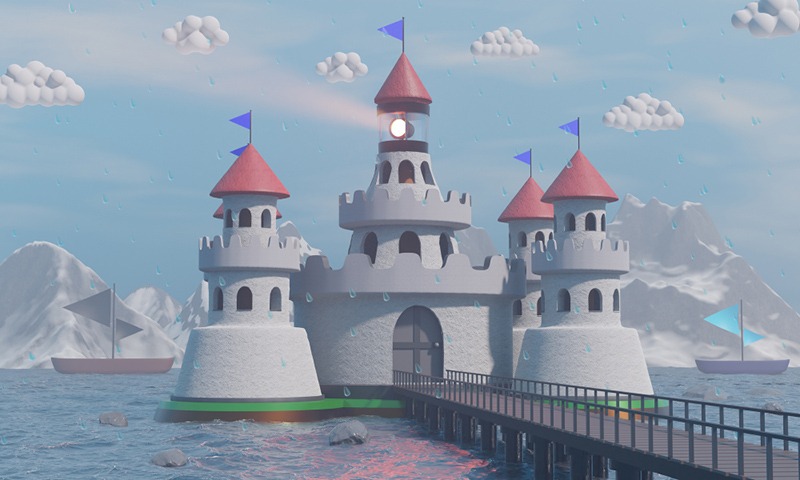
Creating 3D animation in India can range from ₹25,000 to ₹80,000 ($300 – $1000) per minute. The cost varies significantly based on factors like complexity, artistic detail, and the level of quality. Generally, due to the advantage of location and labor cost, 3D animation cost in India is lower than in the US or European countries.
If you’re interested in other affordable options compared to 3D, take a look at this article:
Read more:
2D vs 3D Animation: Discovering 10 Key Differences
10 Best Animation Studios for Hire in the USA in 2025
As the length of the animation increases, so does the price. Longer animations usually require more visual effects, technical expertise, and rendering time.
For animated cartoons, explainer videos, and promotional films, costs are often estimated per minute or second. When it comes to video games, it’s the complexity of a scene and the number of animated characters or objects determine the price.
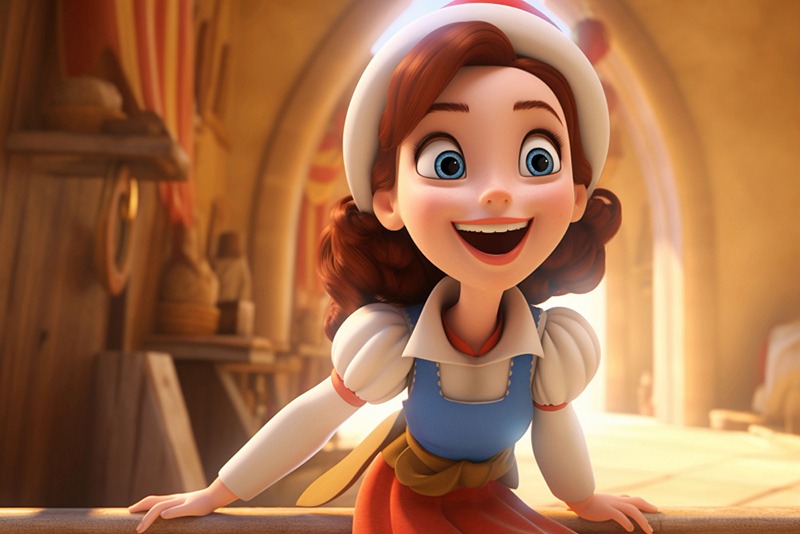
The cost of 3D animation is influenced by the complexity of the scenes. It’s not just about the number of elements, but also how they interact. Scenes with multiple characters and dynamic environments take longer to animate, therefore increasing the cost.
For example, scenes featuring intricate dance routines or detailed fight sequences are more expensive due to the precision and time required to create them.
There are various types of 3D animations, such as digital 3D movies, virtual reality experiences, interactive 3D videos, and more. Each type requires specific techniques, designs, and methods, which influence budget predictions.
Simpler projects demand less time and effort, while more complex projects, like VR games, are more expensive due to their technical intricacies. For example, creating a 3D model video is less expensive compared to the detailed and immersive requirements of VR game animations.
High-detail animations, like lifelike characters in a blockbuster movie, require intricate modeling, texturing, and rendering, which are time-consuming and expensive. For example, creating a realistic dragon with detailed scales, expressive facial movements, and lifelike flying dynamics involves a lot more work compared to a simple, cartoonish character.
Like any other service, quicker turnaround times involve extra effort and resources, impacting the project’s budget accordingly. In 3D animation, faster delivery times often mean studios need to allocate more resources and work extra hours, possibly including weekends. This additional effort to meet tight deadlines snowballs the cost due to overtime pay and expedited production processes.
Creating 3D animation involves a collaborative effort, requiring diverse talents and skills. From conceptualization to 3D modeling and animation, each phase demands specialized expertise. If you hire a studio for 3D animation, the cost is influenced by the hourly rates of junior, mid-level, and senior animators, reflecting their experience and proficiency.
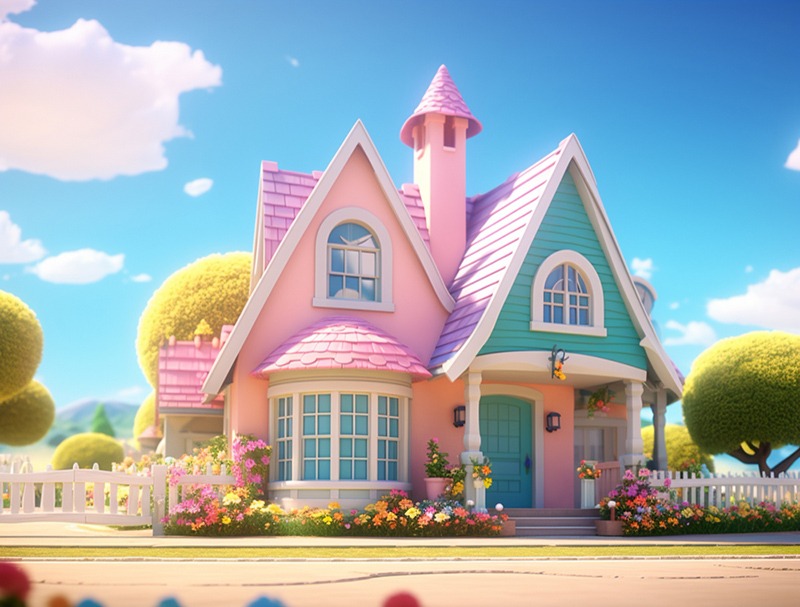
Customization in 3D animation involves creating unique elements like character designs or specific environmental effects. These tailored requests add extra work and can significantly increase the animation budget.
Thus, while it enhances the project’s uniqueness and quality, it’s essential to consider its impact on the overall budget when planning for customized 3D animations.
Each round of feedback often leads to changes and adjustments, whether it’s tweaking character movements or altering scene details. These revisions require additional time and effort from the animation team, which can add up quickly.
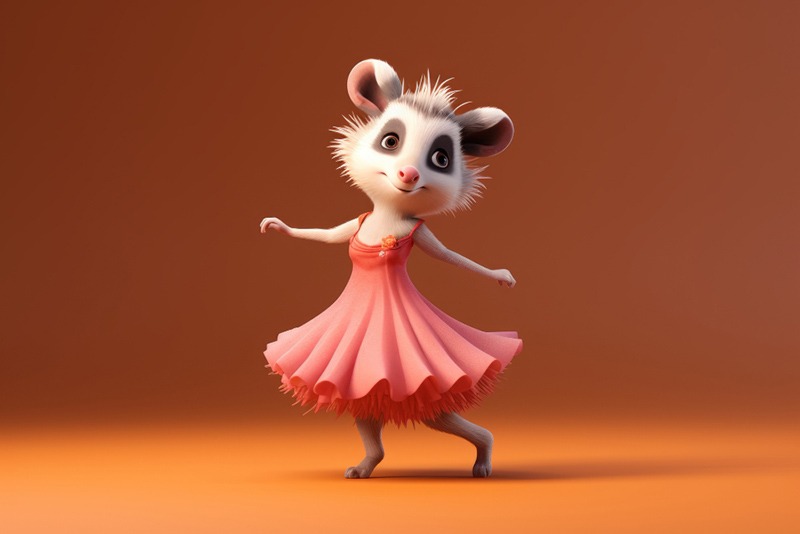
Coordinating a team of artists, animators, and technical experts requires detailed planning and organization. Project managers ensure that deadlines are met, resources are efficiently used, and any issues are quickly resolved. This oversight helps keep the project on track but also adds to the budget.
Detailed planning is your best strategy to avoid budget overruns in 3D animation. Spend ample time in pre-production to perfect your script and storyboard. This initial effort pays off by minimizing the need for costly revisions later and helps you allocate your budget more efficiently across different production stages. Using an animation cost calculator during planning can also provide a clearer estimate, allowing you to adjust elements early on to stay within budget.
While intricate details can enhance the visual appeal, they also require more time and resources to create. Instead, focus on key scenes that drive the story and use simpler designs for the rest. By strategically choosing where to place detailed elements, you can maintain high-quality visuals without inflating the budget.
Complex character designs and detailed backgrounds require more resources and time. Therefore, a smart move is to opt for simpler designs and trim down unnecessary complexities to streamline production and achieve significant cost savings.
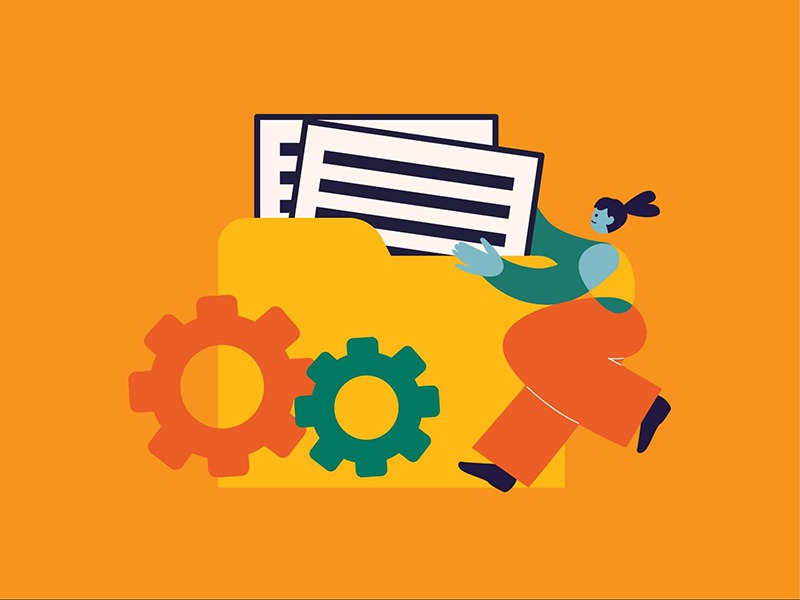
Reusing assets is a smart way to cut down on 3D animation costs. For instance, characters, backgrounds, and props can be reused, reducing the need to create new elements from scratch each time. Plus, having a library of reusable assets on hand can speed up future projects, making your workflow more efficient.
When not pressed by tight deadlines, animators have the time to work more efficiently and creatively without the need for costly rush fees. Plus, flexibility allows for better planning, reducing the risk of mistakes and the need for expensive last-minute revisions. It also provides room for iterative feedback, ensuring the final product meets your expectations.
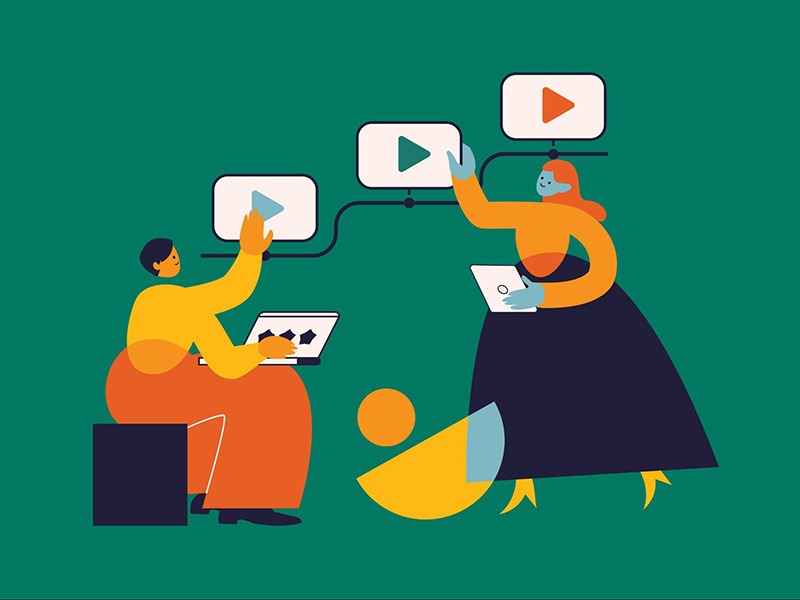
Depending on location and labor costs, studios in regions like India or Vietnam often offer more competitive pricing compared to those in higher-cost areas like the US. Many large studios also outsource animation to leverage these cost advantages.
Therefore, instead of opting for free online tools that may lack professional quality, investing in a professional studio with location advantages ensures you get the best results within your budget.
As per our understanding, 3D animation cost per minute varies greatly, depending on various factors. However, we acknowledge that its high cost can discourage many people in their animation journey. Thus, if you want to find an alternative, maybe you want to consider 2D or 2.5D animation – which F. Learning Studio excels at. These two kinds can offer a more budget-friendly option but still make your audience impressive.
For more expert guidance, drop us a line and we can give you a FREE consultation, helping you choose the style that suits your project best.
1. How long does it take to animate 1 minute of 3D animation?
On average, it can take about 6 to 12 weeks to produce 1 minute of high-quality 3D animation. This time includes all stages of production, from initial concept and storyboard to final rendering and post-production.
2. What are the stages of 3D animation production?
The stages of 3D animation production typically include:
3. Why 3D animation is expensive?
3D animation is expensive due to the high costs associated with advanced technology, specialized software, and skilled labor.

F. Learning Studio's Author
Sean Bui, the founder and creative director of F.Learning Studio, is a respected leader in the e-learning and multimedia production industry. With over 10 years of experience, he has dedicated his career to helping organizations create engaging and impactful learning experiences. Under his leadership, F.Learning Studio has grown into a trusted partner for organizations in the education, healthcare, and corporate training sectors, producing over 2,000 minutes of educational animation.
Whether you’re training a team or explaining a message — we’ll help you do it clearly.
Clarity changes everything
Whether you’re training a team or explaining a message — we’ll help you do it clearly.