

4 Steps Patient Education Process that You Want to Know in Healthcare Space
Want to improve patient engagement and adherence? Discover our 4-step patient education process - a proven method for better health results. Learn more!


Want to improve patient engagement and adherence? Discover our 4-step patient education process - a proven method for better health results. Learn more!
Every patient deserves to feel confident and informed about their health, yet too often, medical instructions feel like a foreign language. The 4-step patient education process changes that, offering a clear path to better communication.
In this guide, we’ll explore key moments when to implement it and how to overcome the obstacles that often stand in the way of effective patient education. Whether it’s simplifying complex concepts or creating a real connection, these steps are designed to help patients feel seen, heard, and empowered in their healthcare journey. Ready to transform how you educate your patients? Keep reading!
Patient education plays a crucial role in improving patient care by equipping individuals with the knowledge and skills needed to manage their health effectively. By understanding the 4 main goals of patient education, healthcare providers can create a more supportive environment that empowers patients and enhances outcomes.
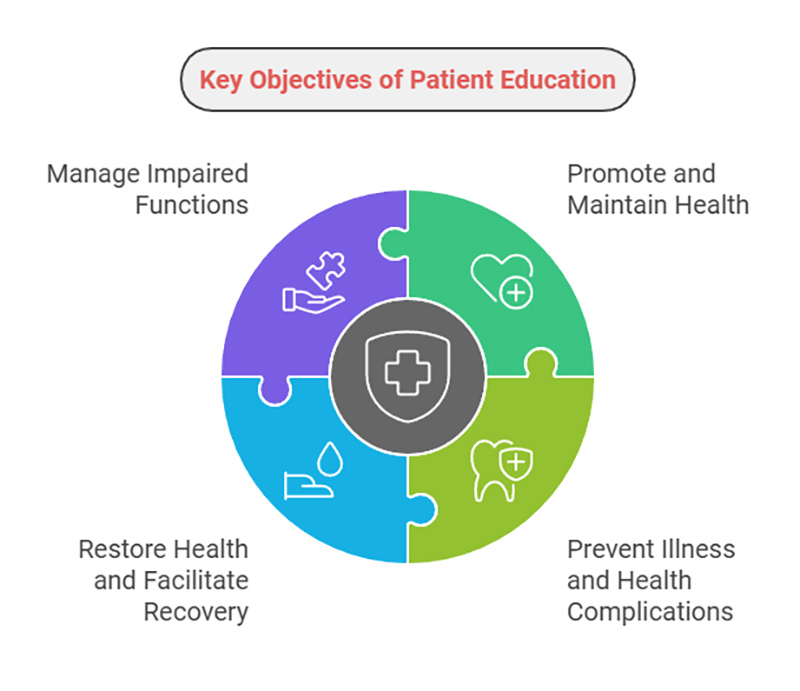
A well-structured patient education process ensures that patients receive the right information at the right time.
These 4 steps create a clear pathway to improve understanding, engagement, and health outcomes. Below, we’ll explore each step in detail to understand how they contribute to an effective education process.
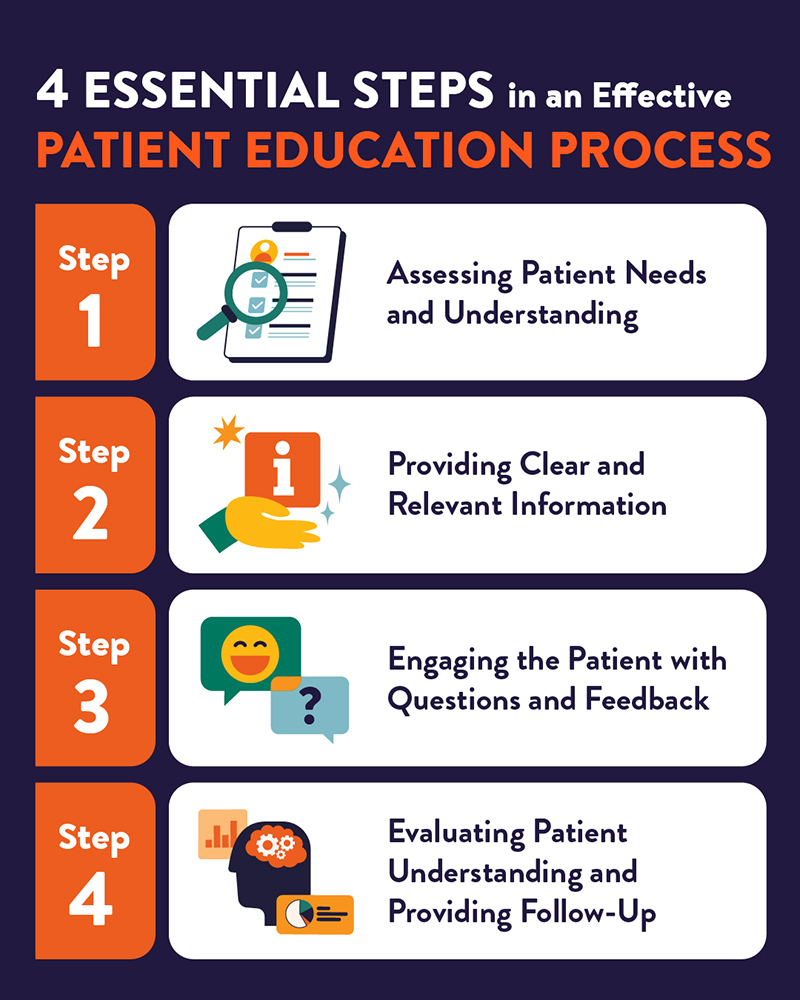
Understanding how a patient prefers to receive information – whether visually, verbally, or through hands-on demonstrations – ensures that health education is tailored to their individual needs. This personalized approach enhances engagement and comprehension.
Assessing a patient’s ability to understand medical terms and instructions is critical. This step helps healthcare providers adapt their communication and ensure that information is clear and actionable.
To fully assess patient needs, it’s essential to identify their specific health concerns and priorities. This includes discussing their medical history, current challenges, and goals, enabling a more targeted and effective patient education process.
You may also want to read more: Addressing Patients’ Unmet Needs: Enhancing Access to Healthcare
Break down complex medical jargon into simple, everyday language to make it accessible to patients. Tools like analogies, examples, and concise explanations work well, but animated videos can take this further by visually simplifying complex medical concepts. These videos not only clarify ideas but also keep patients engaged, making them a powerful tool in patient education initiatives.
interested to know more?
Glad you like us! Book a consultation call with us to explore how to kick start your animation project.
Visual aids, such as infographics, charts, and animations, play a crucial role in breaking down complex medical topics into easily digestible formats. Health and safety video production services, in particular, help simplify sensitive procedures and safety protocols, ensuring patients and healthcare staff fully grasp essential guidelines. Interactive tools, like mobile apps, eLearning platforms, or quizzes, further enrich the learning experience.
These tools allow patients to actively engage with the material, track their progress, and revisit key points as needed. By combining static visuals with dynamic and interactive elements, healthcare providers can create a comprehensive and memorable education experience that caters to different learning styles.
Want to bridge the gap and enhance Patient Education?
Let our expert team provide you
with effective, visually-driven solutions!
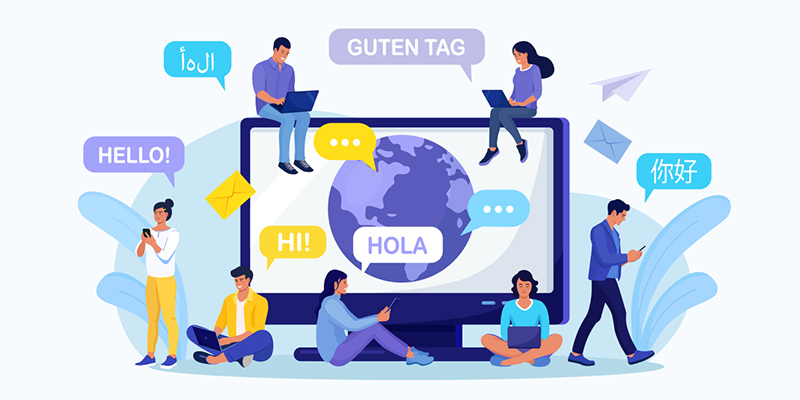
It’s essential to develop educational materials in multiple languages to ensure that all patients, regardless of their linguistic background, can access and understand important health information. This goes beyond just translation – it involves adapting the content to fit cultural preferences, values, and beliefs.
Tailoring resources to respect cultural nuances fosters trust and improves patient engagement, making them feel more comfortable and supported in their healthcare journey. Culturally sensitive materials improve communication and empower patients by showing that their unique backgrounds and needs are valued in the educational process.
To ensure patients truly understand the information, healthcare professionals should ask open-ended questions that encourage patients to express their thoughts, concerns, and level of understanding. This active participation helps uncover gaps in knowledge and allows for tailored explanations.
Regular feedback is key to reinforcement learning. Healthcare providers should seek feedback from patients, asking them to reflect on the information provided, and check for clarity. This helps gauge whether the patient has absorbed the necessary information and if further clarification is needed.
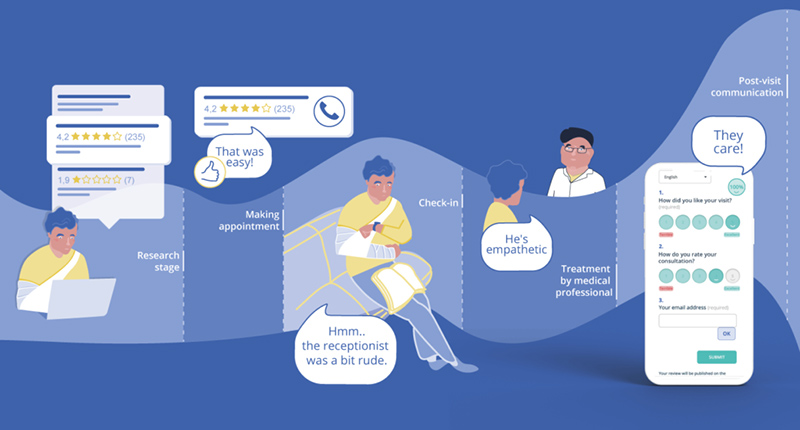
Integrating brief Q&A sessions into routine care visits allows patients to voice any doubts or concerns. This encourages a dialogue where patients feel comfortable asking questions and receiving feedback in real time, creating a more personalized and effective education experience.
Using digital platforms or apps can facilitate real-time feedback. Patients can complete short surveys, quizzes, or answer follow-up questions through these tools, enabling healthcare providers to monitor patient understanding continuously and address concerns quickly.
This approach ensures that patient education is not just one-sided but evolves into an interactive process, where patients are actively involved and their understanding is constantly assessed and improved.

To assess whether patients have fully understood the information, healthcare providers can use techniques such as teach-back methods, where patients are asked to explain the information in their own words.
Quizzes or short questionnaires can also be effective tools for gauging retention and identifying areas that may need further clarification. These techniques help ensure that patients not only hear the information but can also recall and apply it in real-life situations.
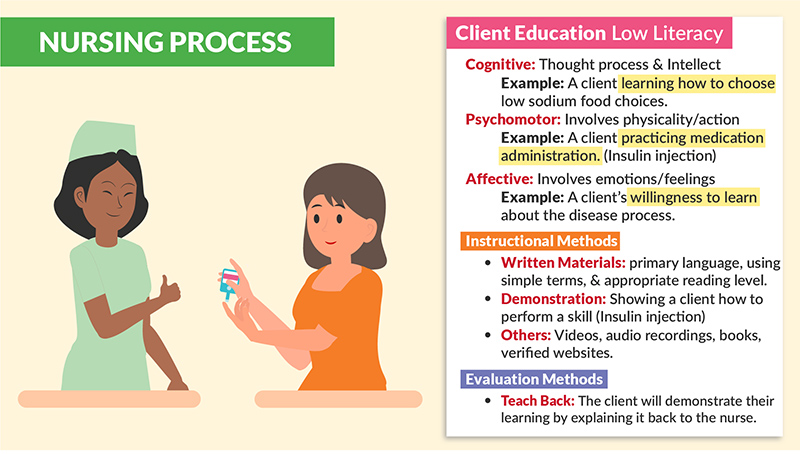
Regular feedback from both patients and care teams is essential in evaluating the effectiveness of the education process. Patients can provide insights into whether they felt the information was clear, engaging, and helpful.
Similarly, care teams can offer feedback on how well the patient has followed instructions and whether any additional educational support is needed. This collaborative feedback loop helps fine-tune the patient education process for better results.

Patient education is an ongoing process, and it’s important to continuously evaluate and improve resources and strategies. Based on patient feedback, retention rates, and evolving healthcare practices, educational materials should be regularly updated to stay relevant and effective.
This ensures that patients receive the most accurate, up-to-date information and that educational strategies evolve to meet the changing needs of different patient populations.
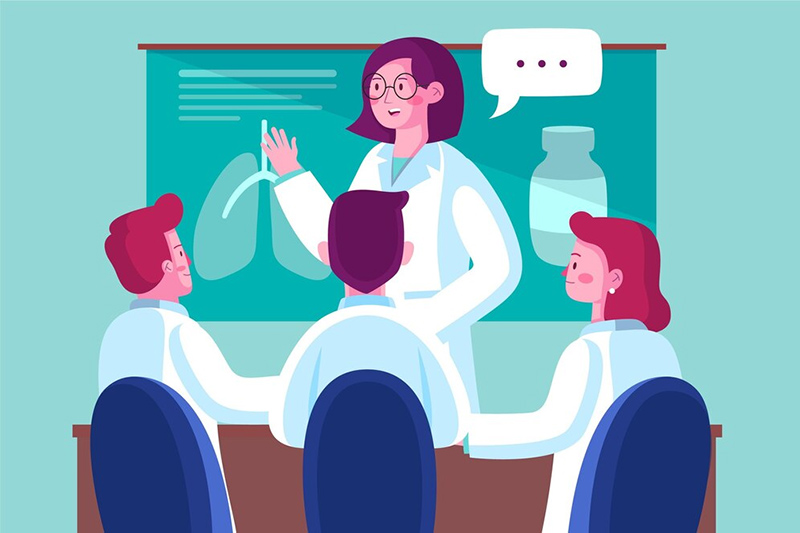
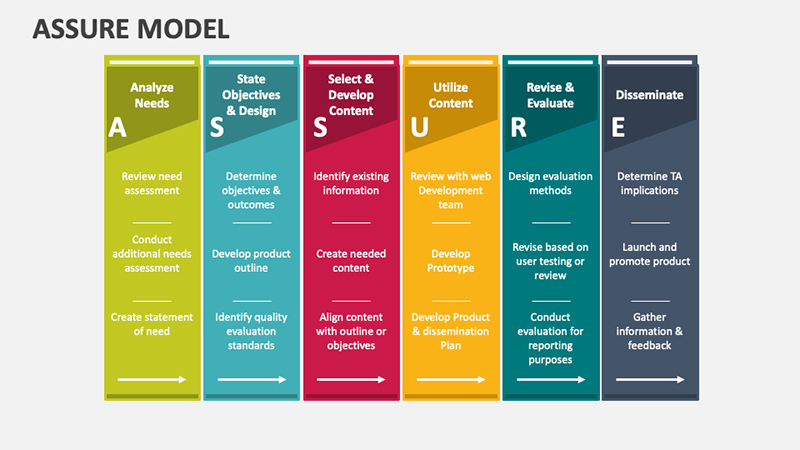
The 4-step patient education process aligns well with the ASSURE Model, an effective framework for organizing and enhancing patient education.
Developed by Heinrich and colleagues, the ASSURE Model focuses on understanding the learner, selecting appropriate methods and media, and evaluating learning outcomes. By integrating the ASSURE Model with the 4-step patient education process, healthcare providers can create a comprehensive, dynamic, and effective learning experience that is tailored to the individual patient’s needs and ensures better health outcomes.
You may interested in The 4 Types of Patients You’ll Care for As A Communication Manager
Helping patients take control of their health starts with clear, actionable education – but hurdles like confusion and disengagement can make it challenging. The 4-step process offers practical solutions to address these difficulties, fostering clearer communication and better understanding.
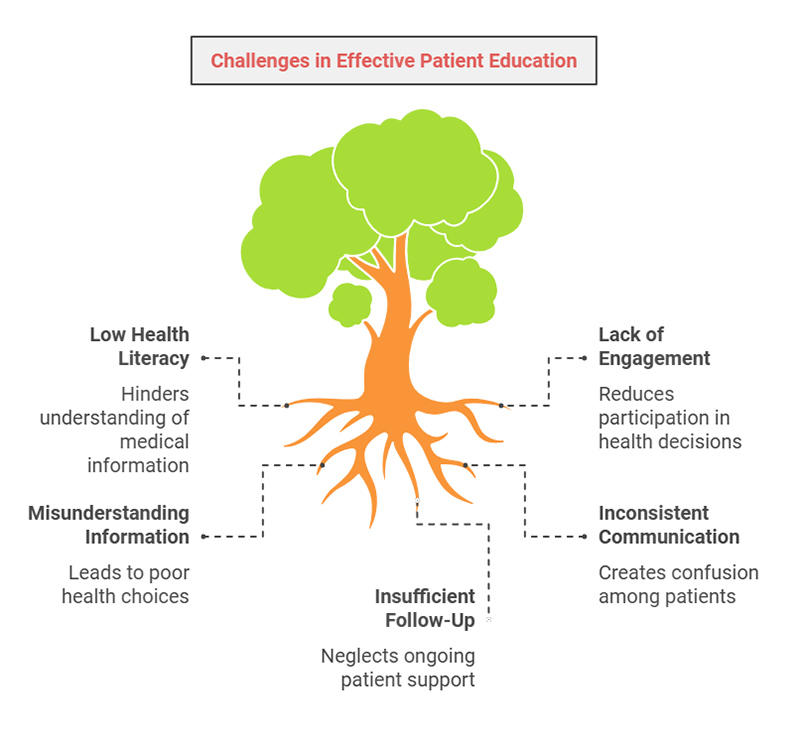
| Challenge | How the 4-Step Patient Education Process Helps |
Overcoming Low Health Literacy | The 4-step process starts by assessing the patient’s health literacy in Step 1. This allows healthcare professionals to adapt their explanations, using simpler language, visuals, and analogies to ensure the patient understands. |
Lack of Patient Engagement | In Step 3, the process includes engaging the patient by asking open-ended questions and encouraging feedback. This creates a more interactive environment, ensuring patients are actively involved in their learning. |
Misunderstanding Medical Information | Step 2 focuses on providing clear and relevant information in a way that aligns with the patient’s level of comprehension. By repeating key points and checking for understanding, the risk of miscommunication is reduced. |
Inconsistent Communication Across Healthcare Providers | Step 4 involves ensuring all team members are on the same page by providing follow-up and verifying patient understanding. This consistency ensures that patients receive the same message from different healthcare providers. |
Lack of Follow-Up Support | After the initial consultation, the 4-step process ensures follow-up by offering additional resources, such as educational materials or follow-up calls. This ensures the patient has continued support as they manage their health. |
Integrating the 4-step process into key moments of care ensures that health education is both timely and impactful. These moments provide the ideal opportunities to engage patients and enhance their understanding of their health journey.
Description
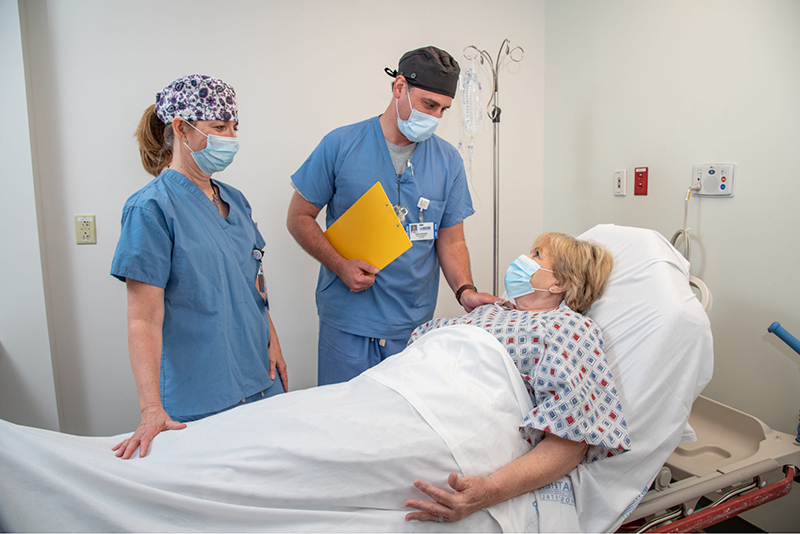
During the first meeting with a patient, whether for diagnosis or treatment planning, it’s crucial to establish a clear understanding of their condition and the steps involved in their care. The four-step patient education process begins by assessing the patient’s needs, providing relevant information, engaging them through questions, and ensuring follow-up.
Why it works
Early patient education ensures that the patient feels informed and empowered to make decisions about their health. It sets the foundation for a collaborative relationship, making the rest of the treatment plan easier to follow and adhere to.
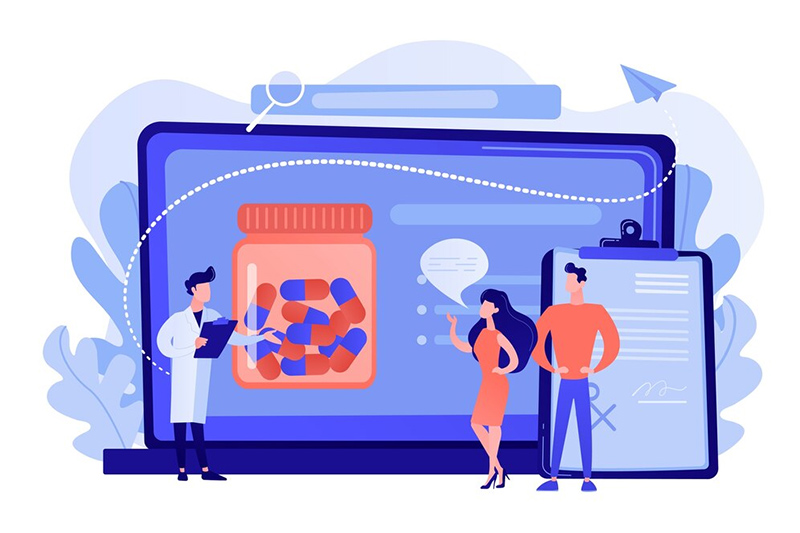
Description
Discharge is a critical moment for patient education, as it is when patients are given the responsibility for managing their health independently. The 4-step process helps reinforce the information patients need for recovery, such as post-surgery care, medication instructions, and follow-up appointments.
Why it works
Discharge education ensures patients understand the importance of their aftercare instructions. It reduces confusion and the risk of complications, promoting better health outcomes and reducing readmission rates.
Description
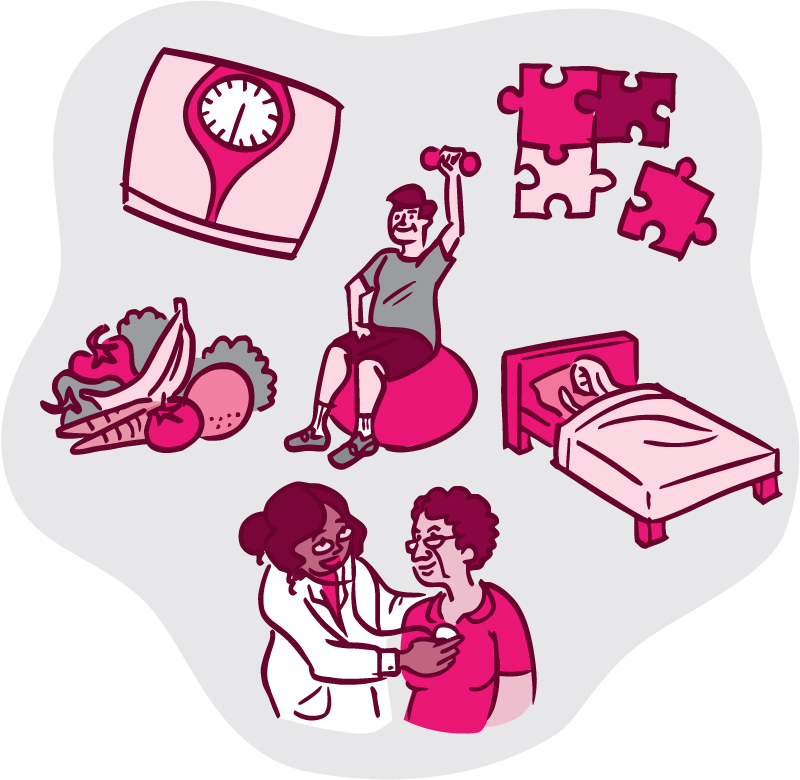
Preventive care visits, such as those for chronic disease management, vaccination updates, or weight loss plans, are ideal moments to use the 4-step process. Educating patients about lifestyle changes or prevention techniques allows them to take control of their health proactively.
Why it works
The 4-step process helps patients better understand the long-term impact of their health decisions, increasing the likelihood they will make lasting changes. Engaging them in the conversation promotes a deeper commitment to health goals.
Description
After the initial consultation or treatment, follow-up appointments provide an opportunity to review a patient’s progress, clarify any confusion, and provide additional education if necessary. The 4-step process can be revisited to address any concerns that may have arisen.
Why it works
Re-assessing and providing ongoing support ensures patients are not left with lingering uncertainties. This reinforces the education provided during the first visit and offers a chance for the patient to ask questions or clarify any details.
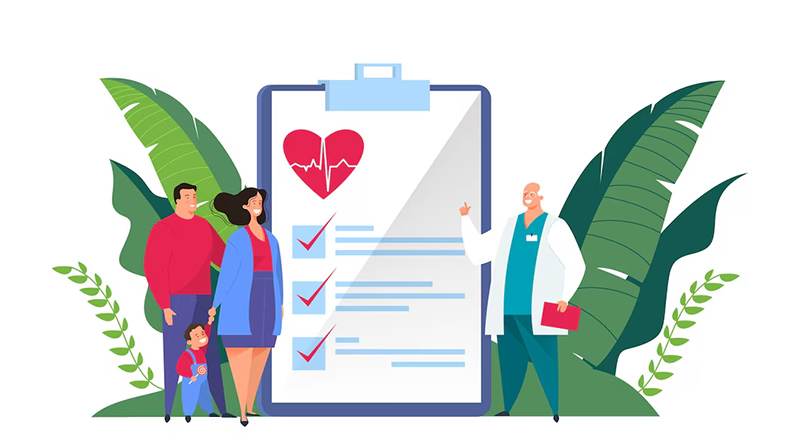
Simplifying complex medical concepts is crucial for improving patient comprehension and engagement. Through our innovative use of animated videos, interactive tools, and clear visual aids, we break down complicated health information into easy-to-digest content. This approach helps patients grasp essential concepts, reducing confusion and making them more confident in their healthcare decisions.
We transform dense medical jargon into clear scripts, illustrate concepts in a friendly style, and are animated with patient comprehension in mind. Patients gained confidence in understanding their conditions, and doctors saved time with consistent, quality videos.
Our experiences in the medical field will save you energy in explaining your medical knowledge. We not only animate all medical concepts at a high accuracy level but also customize them for different audiences.
We provide several tailored support options to ensure your patient education project is a success:
Moreover, we will surely optimize the cost using our location advantage. But the budget shouldn’t be a number itself. It’s a wise investment when you compare the real cost of not using animation for medical purposes and the return on investment of having F. Learning as your partner.
Still not sure which is the best option for your current budget?
You may also interested: Medical Animation Cost: 10 Essential Things to Know in 2024
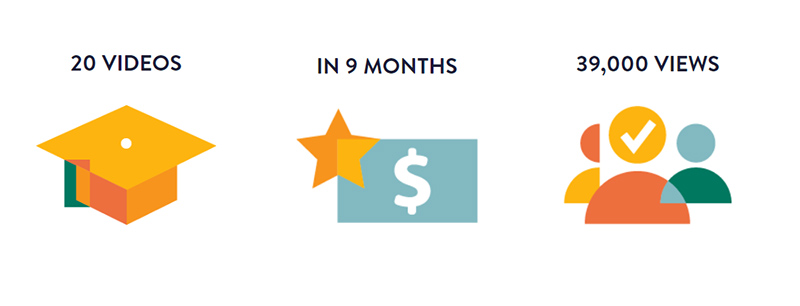
The Association of Migraine Disorders is a healthcare organization that expands the understanding of migraine via patient education, scientific research, and awareness campaigns. F.Learning Studio began by aligning with AMD’s brand mission and understanding the board members’ roles to create a cohesive style guide for their video series.
Recognizing issues in script analysis, we demonstrated our process through a 1-minute demo project, allowing AMD to see our production capabilities. With only 2 months to produce over 20 healthcare videos, we leveraged our extensive library of 10,000+ medical illustrations, developed with experts for accuracy and efficiency.
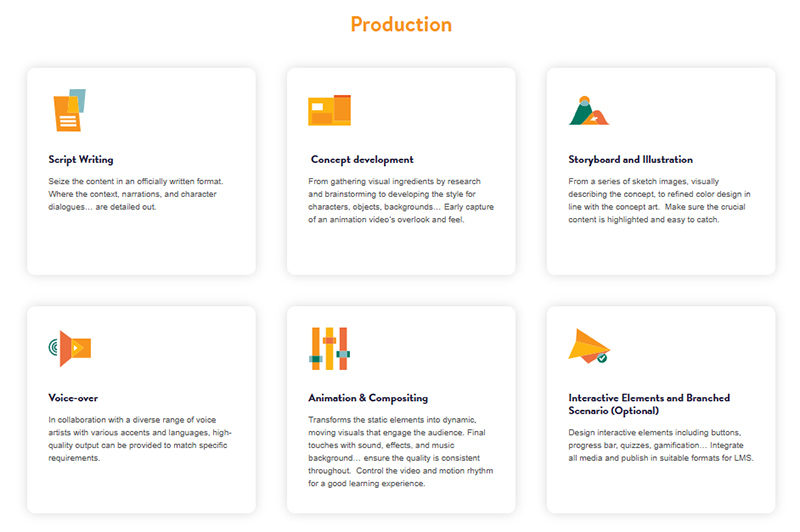
At F.Learning Studio, we understand that in patient education, time is critical. That’s why we focus on streamlining the production process to deliver high-quality content quickly and efficiently. Our approach is designed to minimize feedback loops, ensuring a smoother, faster development timeline while maintaining the highest standards of patient education. Moreover, you have a full-functioned team for your project to ensure the series quality.
The “4-step patient education process” is a comprehensive approach to empowering patients with the knowledge they need to manage their health. These steps are essential for fostering better patient outcomes. With this structured approach, healthcare providers can enhance patient comprehension, improve treatment compliance, and boost overall satisfaction.
But don’t stop here – transform your patient education today with F.Learning Studio! Let’s make complex medical concepts simple, engaging, and impactful for your patients. Contact us now for a free demo and consultation to discover how we can elevate your patient education efforts and unlock better health outcomes faster. Time is of the essence – don’t wait, transform the way you educate today!
Read more:

Ready to engage patients with personalized, visually captivating animations?
Transform Your patient education
with F.Learning Studio Today!

F. Learning Studio's Author
Sean Bui, the founder and creative director of F.Learning Studio, is a respected leader in the e-learning and multimedia production industry. With over 10 years of experience, he has dedicated his career to helping organizations create engaging and impactful learning experiences. Under his leadership, F.Learning Studio has grown into a trusted partner for organizations in the education, healthcare, and corporate training sectors, producing over 2,000 minutes of educational animation.
Whether you’re training a team or explaining a message — we’ll help you do it clearly.
Clarity changes everything
Whether you’re training a team or explaining a message — we’ll help you do it clearly.