

8 Types of Communication Barriers in Healthcare and How to Deal with Them
8 types of communication barriers in healthcare will give healthcare communication managers more ideas to do a successful patient education campaign
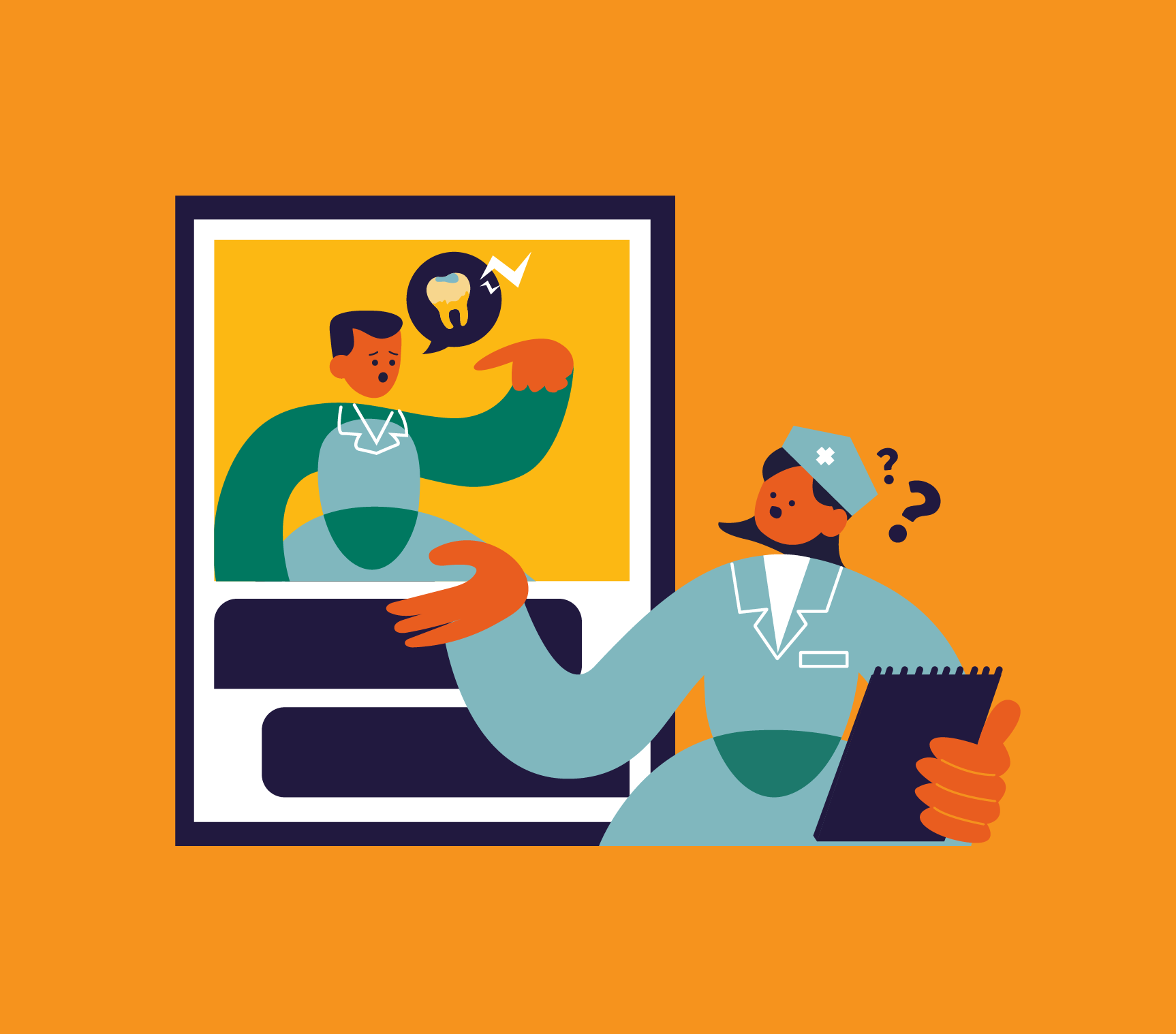

8 types of communication barriers in healthcare will give healthcare communication managers more ideas to do a successful patient education campaign
The communication gap in patient education is more than jargon barriers. It’s also about emotional barriers, perspective barriers, and other noises that affect patient education. Before jumping right into a new patient education campaign, we want you to slow down and go back to 8 types of communication barriers in healthcare. Though most of them are basic communication knowledge, it gives you more perspective on the “gap” and brings new ideas for your next campaign.
When you launch a healthcare event for patients, many physical and environmental factors limit patients from receiving the message.
In the video below, F.Learning uses medical whiteboard animation to explain different symptoms of migraines so patients understand the root cause of their health issues. We also choose a viewpoint of patients’ daily lives so they can see the migraine from their social perspective.
How do you talk to Alzheimer’s patients? Talk slowly, and if needed, educate their family members. For patients with HIV or disabilities, sharing real-life stories can be impactful. Emotional control is essential when working with individuals who have specific physical or mental health needs.
Nuances in communication can make all the difference – sometimes, a simple adjustment in format, like changing text-based content to podcasts, better accommodates those with poor eyesight. Additionally, incorporating mental health cartoon images or other thoughtful visuals can make content more relatable while showing sensitivity and empathy to avoid offending or alienating any audience.
What is a good start to educating patients effectively? The answer is choosing the right healthcare information. Removing language barriers is the priority before you want to remove communication barriers in healthcare. At F.Learning, we have worked with many healthcare clients to realize that we just capture a tiny nuance of language barriers – the healthcare jargon. The language barriers in patient communication have 3 angles:
The video below, for instance, explains the differences between Heparin and Warfarin in a way that patients can easily grasp
In 3/2021, F.Learning collaborated with Dr. Manish Chand to make a medical animation about patient education about colorectal cancer and rectal bleeding. This healthcare video is used in the “Colorectal Awareness Month” campaign so that his patients can understand their conditions’ treatment.
Differences in personal and psychological makeup may create barriers to communication in healthcare between patients and other healthcare providers. They arise from the judgments, emotions, and social values of people. According to Ms. Fasiha Haq, Senior Director of Global Medical Affairs Strategy & Execution at Eli Lilly Canada, doctors and patients have different perspectives about healthcare when they visit each other.
Doctors focus on long-term treatment and root causes, while patients focus on day-to-day healthcare treatment and symptoms. The insight brings a lot of suggestions on how to create a healthcare message from the patient’s perspective. To do that, we need to understand how patients think about the disease.
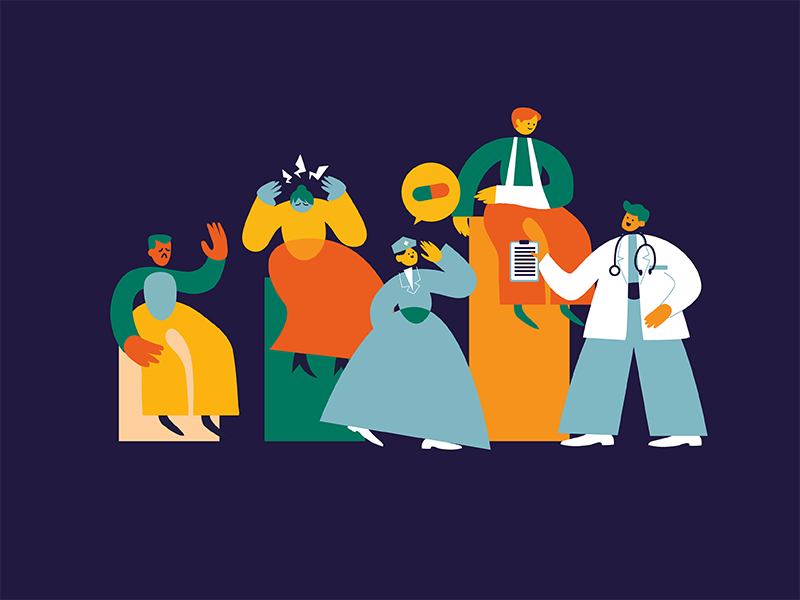
If you handle a patient education campaign for a sensitive sexual and reproductive health topic, you will find emotional barriers familiar. Another situation is when patients fear, are anxious, or even sad because the pain prevents them from doing things. In healthcare communication, it’s hard to realize because these moments fester beneath the surface. Utilizing tools like pharmaceutical explainer videos can help address these barriers by presenting complex information in an empathetic and easily digestible way.
There are 2 types of socio-psychological barriers in healthcare communication. To successfully break the socio-psychological barrier, It’s essential to define the patient persona with a complete description of behavior, characteristics, and background:
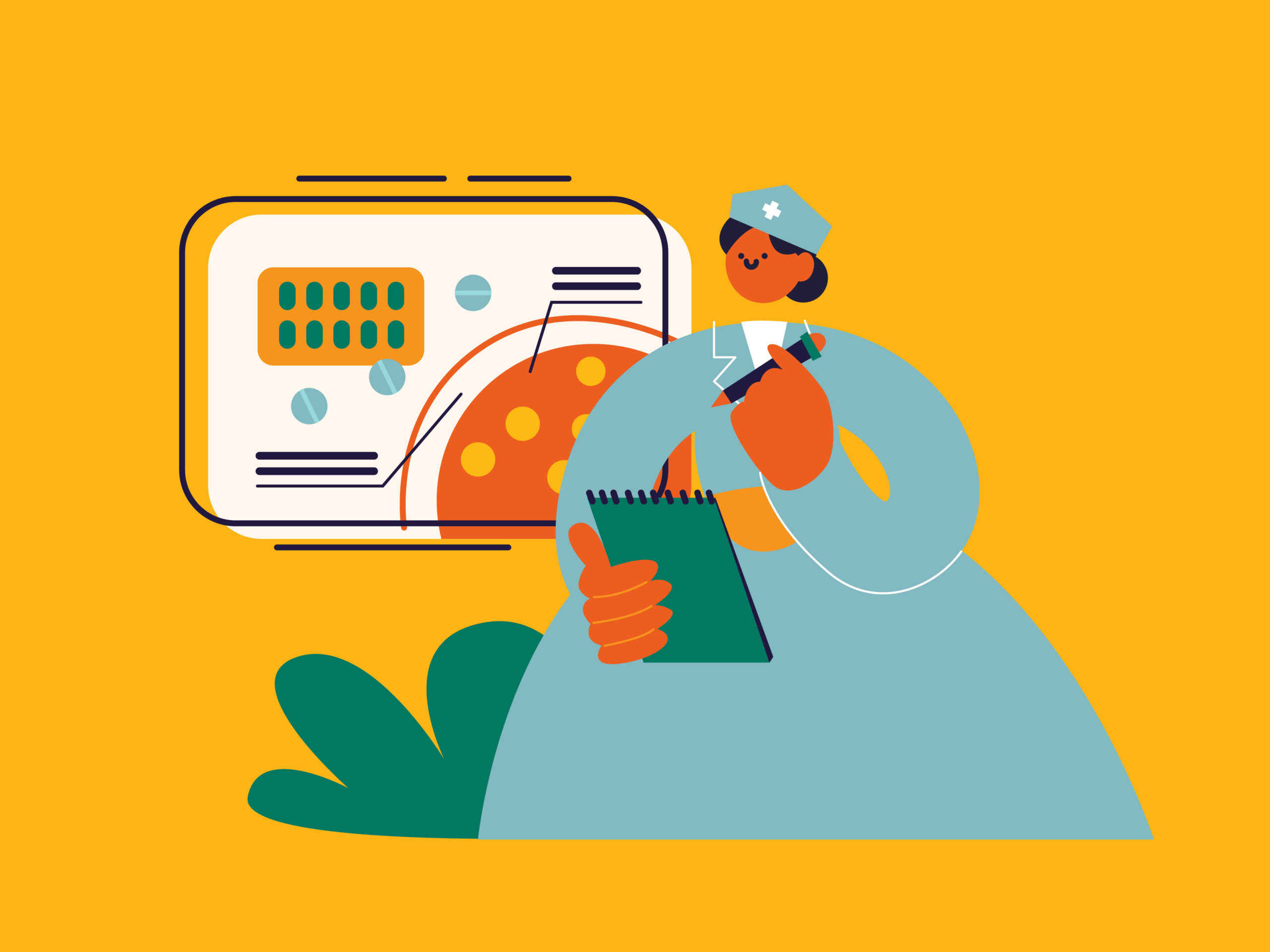
When talking about sexual health, people from Eastern countries will be more hesitant than Western countries. Patients from underdeveloped areas may be more skeptical about treatment than those from other regions. This is one of the communication barriers in healthcare that impacts patients’ healthcare decision-making.
Cultural barriers also encompass different interpretations of symbols, colors, etc., across countries. For example, when creating a medical procedure animation about childbirth, using culturally appropriate visuals such as attire, patient interactions, and medical settings that align with the target audience’s cultural norms can greatly enhance understanding.
Here’s another video example produced by F. Learning Studio for our client – iHeed. Since the target audience is patients from the Middle East, we use materials relevant to patients’ cultures to create a social context for them.
interested to know more?
Glad you like us! Book a consultation call with us to explore how to kick start your animation project.
Channel flow barriers relate to healthcare communication channel strategy because each channel has strengths and weaknesses. When launching a healthcare communication campaign, we can use more than one channel to promote your healthcare message. Using the wrong channel or using too many levels of media may cause misleading in delivering information. Therefore, we ensure that all supporting messages align with the main message to prevent patients from misunderstanding.
It seems overwhelming for you as there are a lot of barriers to effective communication in healthcare. At F. Learning Studio, we understand the unique challenges of communicating complex medical information. Therefore, we come up with a unique solution for you, animated videos or animations that are informative, accessible, and impactful. From simple whiteboard animations to stunning 2D productions, we can tailor it to solve your specific communication problems.
With 8 years of experience, F. Learning Studio has built a strong proven track record, working with top-of-mind companies in the field, such as Intelycare, Boehringer Ingelheim, and Simple Nursing. We have supported them in raising patients’ awareness, improving training, and simplifying medical knowledge. No matter what you’re struggling with in healthcare communication, we have something for you.
If you have a budget constraint, don’t worry. We offer a 30% lower solution compared to the UK or US-based studios. However, it doesn’t mean we compromise the price with the quality of the animation. Let’s check our portfolio and see it by yourself.
Addressing communication barriers in healthcare is not just about removing common obstacles. It’s also about creating an environment where patients feel listened to, respected, and engaged in their treatment. With all of the potential solutions we’ve listed in the article, we hope you can find the key to your problem. To make communication a breeze, why not contact F.Learning? With our crafted visual solutions, you can experience a remarkable boost in your patient education!
Read more:

Tác giả tại FLearning Studio
Whether you’re training a team or explaining a message — we’ll help you do it clearly.
Clarity changes everything
Whether you’re training a team or explaining a message — we’ll help you do it clearly.