

How to Improve Patient Communication: 13 Methods You Can Use
Improve patient communication with these 13 effective methods! Learn practical strategies to build stronger doctor-patient relationships and enhance trust. Read now!

Improve patient communication with these 13 effective methods! Learn practical strategies to build stronger doctor-patient relationships and enhance trust. Read now!
You’ve had days like this—rushed appointments, endless charting, and a patient’s worried expression that sticks with you long after they’ve left. Despite your best efforts, you wonder if they truly understood or felt heard. It’s a common frustration for healthcare providers, and the consequences of miscommunication can go beyond dissatisfaction, impacting patient outcomes and trust.
However, knowing how to improve patient communication can change everything. In this article, let’s explore 5 barriers to effective communication and 13 techniques to enhance patient interactions to help you connect with your patients, build trust, and create more meaningful interactions.

Before diving into the techniques, it’s essential to understand the common barriers that hinder effective patient communication. Recognizing these barriers is the first step in overcoming them and improving your patient interactions.
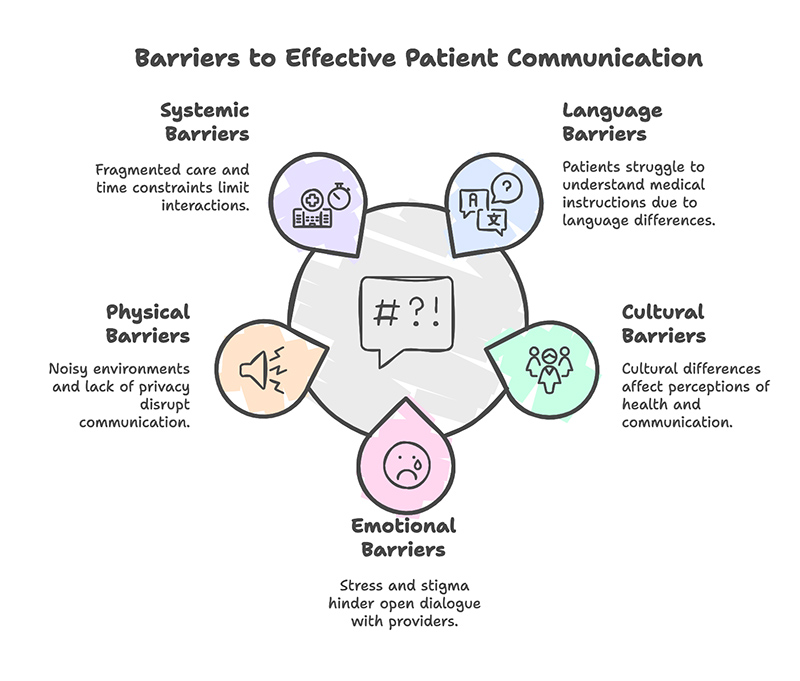
Read more: 8 Types of Communication Barriers in Healthcare and How to Deal with Them
While communication barriers can feel overwhelming, the good news is that effective communication doesn’t have to be time-consuming or complicated. Let’s explore how to improve patient communication with 13 methods that focus on practical ways to enhance your connection with patients. By adopting these strategies, you’ll create stronger relationships and a more positive experience for your patients.
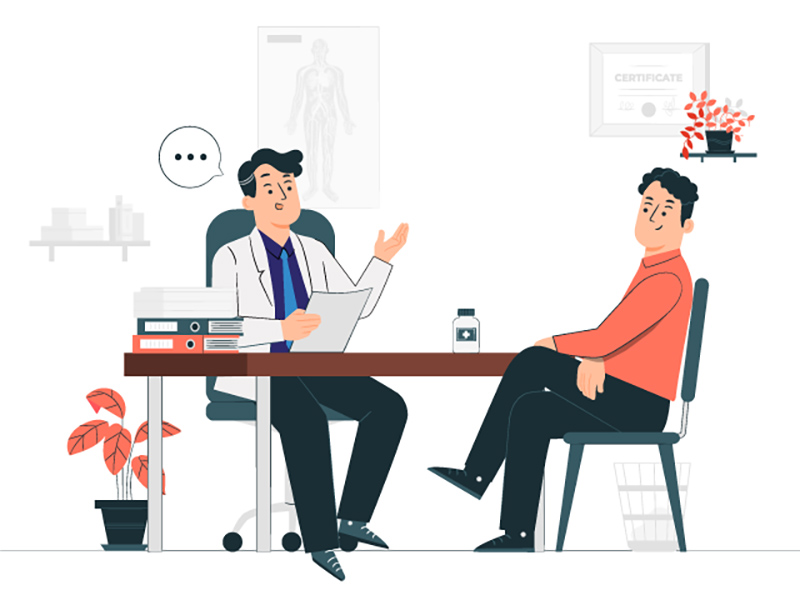
Active listening is the practice of fully focusing on and understanding what a patient is communicating.
To practice active listening, give patients your full attention by facing them directly, maintaining eye contact, and avoiding distractions like updating charts during conversations. By truly focusing on the patient’s words, you show that their concerns matter, which helps to build trust and foster open communication.
Read more: Beyond Symptoms: A Guide to Identifying Patients’ Unmet Needs
When considering how to improve patient communication, creating a space that encourages dialogue is an important first step. A welcoming and comfortable environment helps patients feel at ease and more open to discussing their concerns.
You should start by greeting patients warmly and addressing them by name, as this personal touch builds trust. Ensure the setting is clean, quiet, and private to promote open dialogue. For example, offering seating that allows face-to-face conversation and minimizes interruptions during discussions is a good way to support effective communication and promote patient trust.

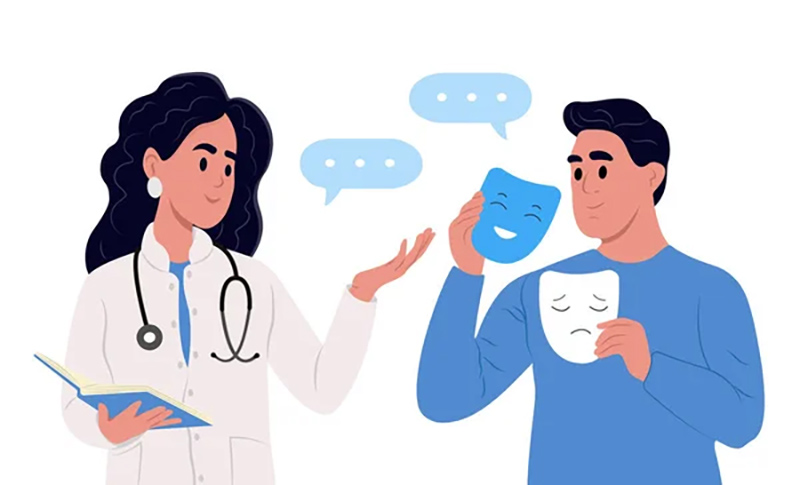
Empathy and respect are crucial for building trust and meaningful connections with patients. Empathy means truly understanding the patient’s perspective by actively listening to their concerns, particularly when they express emotions or vulnerabilities. It involves not just hearing their words but validating their experiences by communicating, “I see you, I hear you, and I understand you”.
Respect is equally essential; without it, even the best communication techniques will fail. This involves avoiding judgments, addressing sensitive topics like pain or mental health with care, and considering cultural, religious, or lifestyle differences. For example, when treating a patient from a culture where family input is highly valued in medical decisions, you can involve their family members in discussions and decisions about treatment plans to show they are valued.
Research shows that visuals linked to spoken or written information significantly increase patient attention, understanding, and recall compared to text alone. Visual aids such as pictures, illustrations, infographics, and animated videos are particularly helpful in illustrating relationships among ideas or spatial arrangements, which can simplify complex health instructions.
For example, this animated video effectively explains heart failure by visually demonstrating what heart failure is, its causes, and basic symptoms to watch for. Compared to verbal explanations only, an engaging visual approach like this helps patients quickly understand their condition and remember key information.
Discover how tailored animations can improve patient communication
Get in touch now!
Read more: Patient Education Animation: A Detailed Guide with 3 Examples
When it comes to how to improve patient communication, doctors should avoid medical jargon and use simple, clear terms that are easy to understand. For instance, instead of saying, “You have hypertension,” a doctor could explain, “Your blood pressure is higher than normal, which can make your heart work harder.”
This helps patients understand their condition and treatment options more effectively. Providing this explanation ensures the patient fully understands the information being shared without confusion or misunderstood.
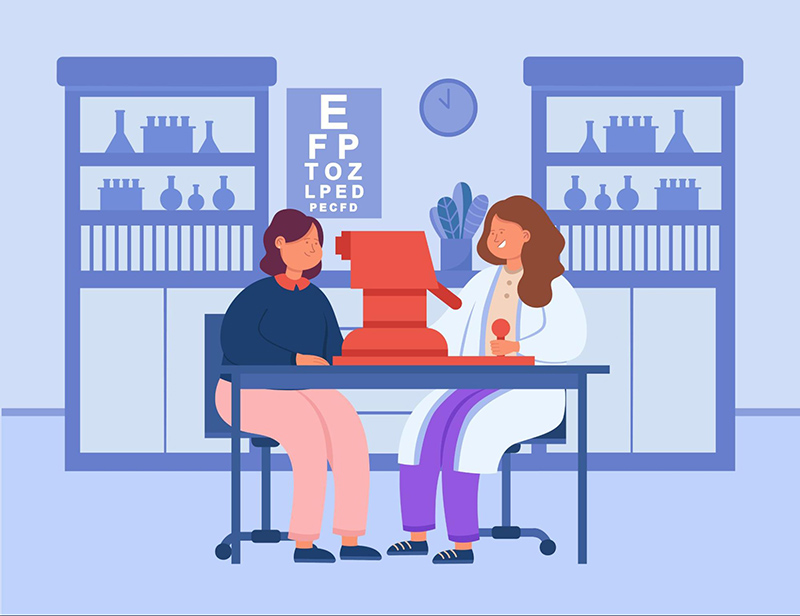
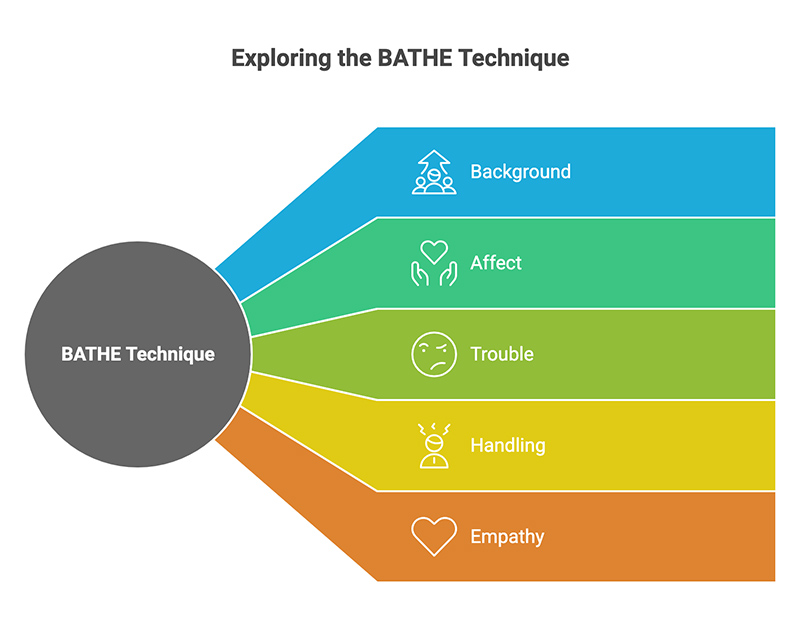
Patients often feel hesitant to voice their concerns, even during empathetic conversations. Asking open-ended questions can create a safe space for them to share what’s on their mind. For instance, saying, “Is there anything else you’d like to talk about today?” invites patients to reflect and share concerns they might otherwise keep to themselves.
To go deeper, providers can use the BATHE technique to guide their questions and build rapport:
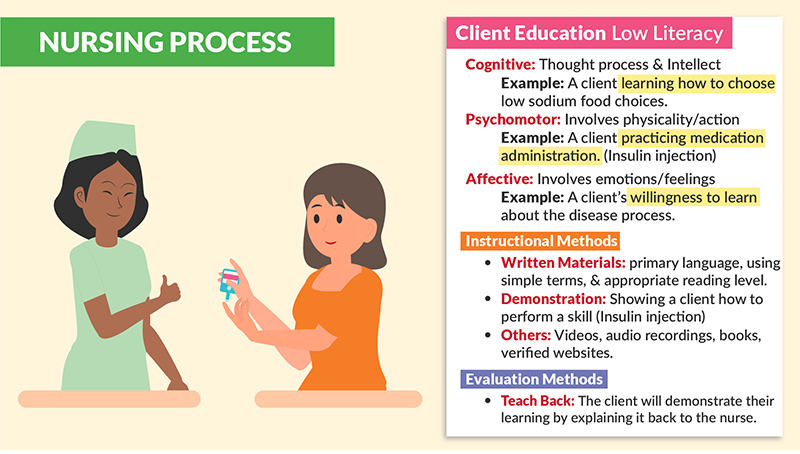
The teach-back method is a communication technique in which healthcare providers explain a concept to the patient, who then reiterates it in their own words. This approach moves beyond simply asking, “Do you understand?” and ensures patients truly grasp the information.
For example, a doctor prescribing two medications might say, “To make sure we’re on the same page, could you explain how and when you’ll take each medication?” If the patient explains correctly, it confirms their understanding; if not, the provider can rephrase or elaborate on the instructions.
Nonverbal communication is a powerful tool in building trust and rapport with patients. According to a Northwestern Medicine® study, doctors who maintain consistent eye contact are perceived as more likable and empathetic. Additionally, patients rated doctors higher on empathy when their visits included small, appropriate social touches, such as a handshake or a light pat on the back.
To use nonverbal communication effectively:
Other nonverbal cues like posture, facial expressions, and tone of voice also play a role in conveying empathy. A warm smile, open posture, and calm demeanor can make patients feel understood and valued without a single word being spoken.
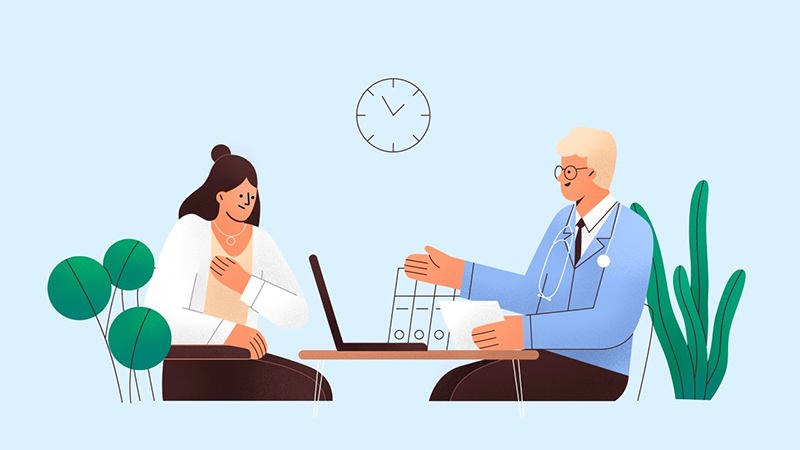
Personalized communication is key to ensuring patients understand and follow medical instructions. Generic advice often feels impersonal and can leave patients unsure about what steps to take. Instead, you should tailor your recommendations to the individual and use active, specific language.
For example, instead of saying, “Medication should be taken with food,” a doctor can personalize it by saying, “Take this pill with your breakfast each morning to avoid an upset stomach.” This clarifies the instruction and makes it relatable to the patient’s daily routine.
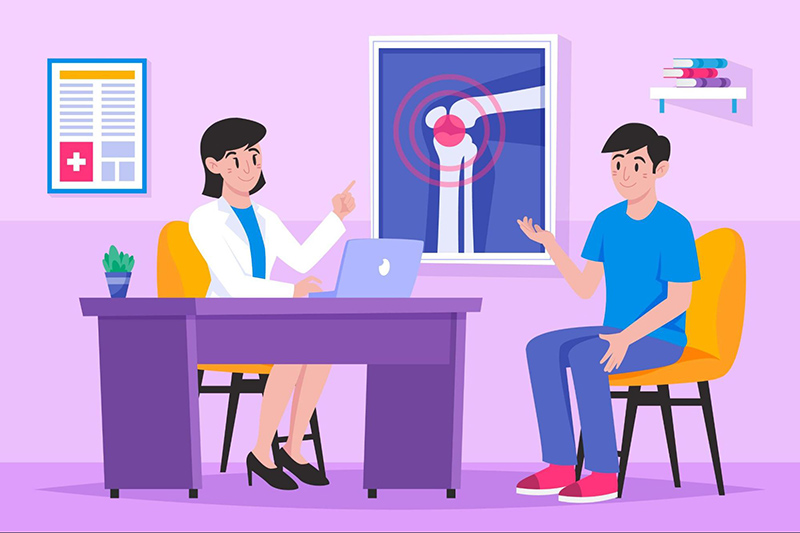
Cultural sensitivity is essential for effective patient communication, as cultural beliefs and practices can significantly influence a patient’s perception of health and treatment. For example, when creating a dietary plan for a Muslim patient, it’s important to recognize that they may avoid pork and observe fasting during Ramadan. Such sensitivity fosters respect, builds trust, and ensures care is tailored to the patient’s cultural context.

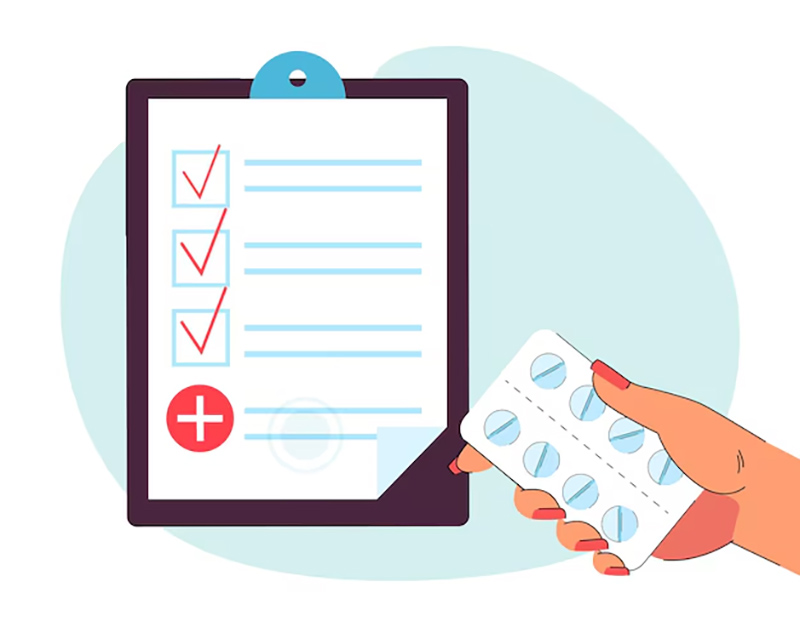
Besides oral communication, you should provide written instructions to reinforce communication and ensure patients have a clear reference after their visit. Written materials are particularly helpful for medications, post-procedure care, or lifestyle changes, giving patients a tangible guide to follow at home.
After explaining a treatment plan, a doctor might hand the patient a sheet detailing medication schedules, dosages, and dietary recommendations. Including simple language, bullet points, or even visual aids like diagrams can make the instructions easier to understand.
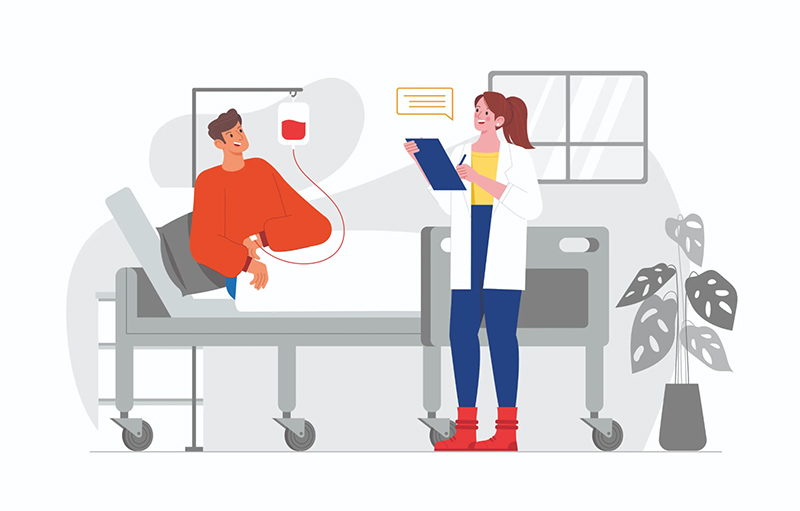
It is good practice to encourage your patients to actively participate in their care. Invite patients to raise questions by saying, “Please feel free to ask about anything you’re unsure of,” creating a safe environment for open dialogue.
Additionally, involve them in decision-making by discussing treatment options and asking, “Which approach do you feel most comfortable with?” This helps patients feel valued and more in control of their health and empowers them to share their concerns, preferences, or hesitations.
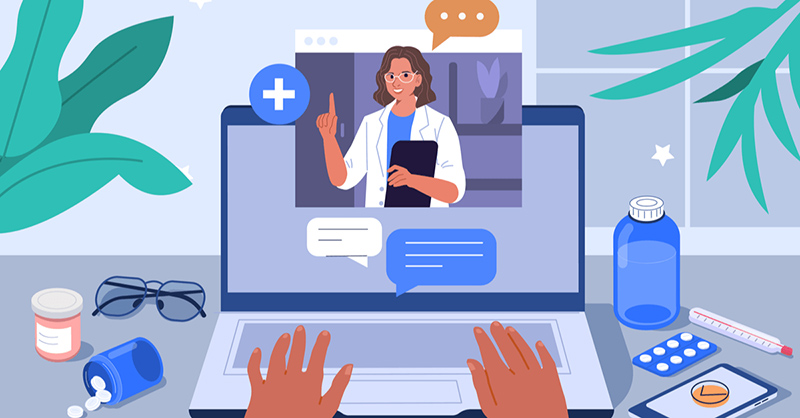
Technology offers numerous tools to enhance patient communication and engagement. Here’s how you can use technology for better patient communication:
Read more: 8 Strategies on How to Improve Patient Education
As healthcare evolves, so do the methods for effective communication. Looking ahead to 2025, emerging trends such as AI-driven personalization, multi-platform channels, and video communication are set to redefine patient engagement. Staying ahead of these trends will empower you to meet patients’ needs in innovative and meaningful ways.
Healthcare providers are increasingly leveraging artificial intelligence (AI) to enhance personalized communication with patients, significantly improving engagement and outcomes. By analyzing individual patient data, including medical histories, lab results, and lifestyle factors, AI systems can generate tailored messages that address specific health needs and preferences.
A notable trend is generative AI which creates customized post-visit summaries and health reminders, ensuring that patients receive relevant information promptly. This personalized approach not only fosters better understanding and adherence to treatment plans but also enhances patient satisfaction.
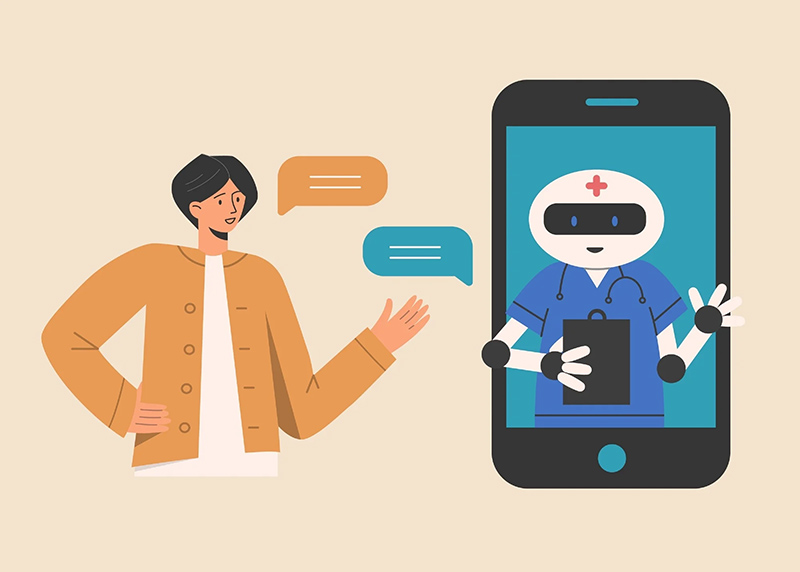
The shift toward conversational messaging is reshaping patient communication, driven by patient preferences for a more interactive and engaging experience. According to a study by Artera, 64% of patients reported that they favored a conversational messaging experience over a basic one.
Conversational messaging goes beyond simple notifications by allowing for personalized and interactive communication. Unlike basic text exchanges, it enables message customization, integrates human responses when needed, and supports varied workflows, such as scheduling appointments or answering questions.
Patient portals have emerged as a significant trend in patient communication, particularly after the COVID-19 pandemic. The integration of patient portals with electronic health record (EHR) systems allows for seamless information sharing.
Additionally, the use of secure messaging within these portals meets the growing demand for rapid and transparent communication, although it has also led to challenges such as increased message volume for providers.
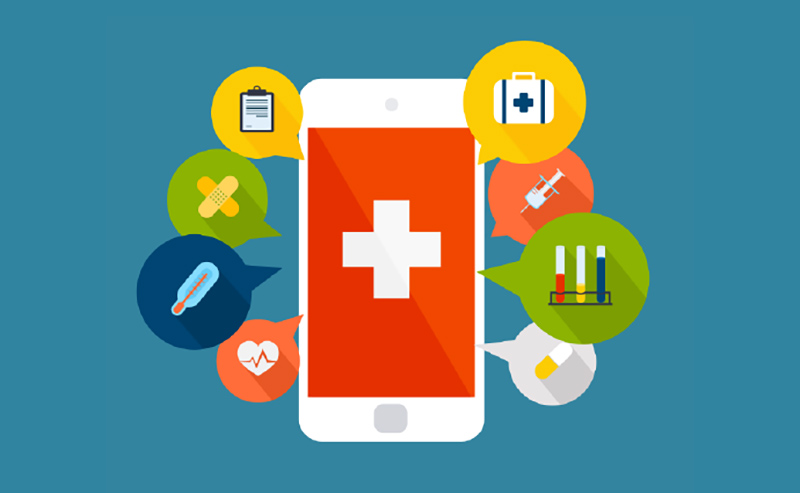
Patients today prefer diverse communication channels tailored to specific contexts, highlighting the need for a multi-platform approach in healthcare communication. Patient preferences for communication vary widely: 30% favor phone calls for pre-appointment instructions, 25% prefer texts, 25% use portals, and others lean toward different methods. This diversity highlights the need for a multi-platform approach in healthcare communication to ensure patients can engage in their preferred way.
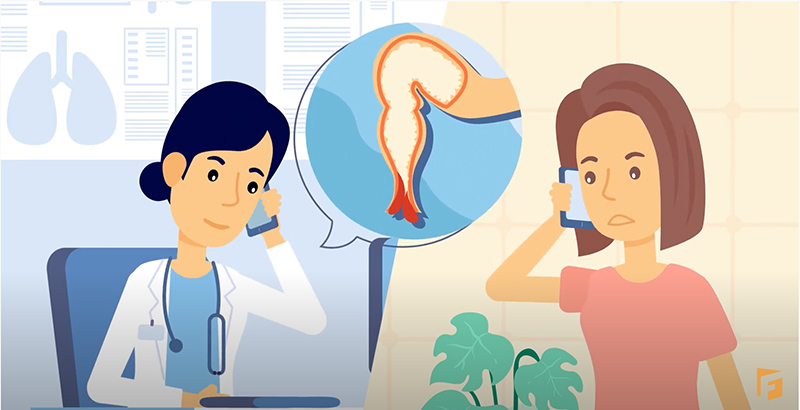
The use of video in patient communication is increasingly recognized for its ability to simplify complex medical concepts while also considering cultural elements. Videos can visually break down medical procedures, diagnoses, or treatment plans into digestible and engaging formats, making them easier to understand than text or verbal explanations alone.
This method is also effective for diverse populations, as videos can be tailored to reflect cultural nuances and language preferences. Furthermore, the ability to view educational materials at their own pace allows patients to revisit information as needed, fostering greater retention and comprehension.
Read more: 9 Rising Patient Engagement Trends to Watch in 2025
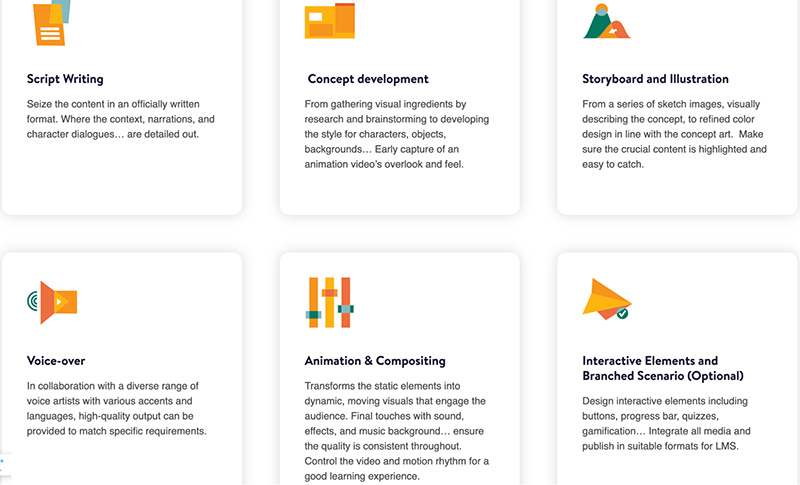
While these strategies mentioned above address broad challenges, F. Learning Studio provides tailored visual solutions that simplify communication effectively. By leveraging the power of visuals, we help healthcare providers bridge the gap between complex medical concepts and patient understanding.
With over 8 years of experience, F. Learning Studio has worked with leading healthcare organizations, such as IntelyCare, NHS, and Simple Nursing, to simplify complex medical concepts through visuals.
In a project on Child Mental Health, we collaborated with Dr. Shin Shin Tang to create the healthcare animation that simplifies the complex and abstract nature of mental health. As abstract concepts can’t easily explained to children and be conveyed with words alone, Dr. Shin Shin Tang reached out to us to create an animated video that simplified these ideas through relatable storytelling and vivid visuals.
By showing real-life scenarios of children experiencing mental health challenges, the animation made complex emotions tangible and easy to understand. The video not only engaged but also educated and connected deeply with the audience, highlighting its power “a video worth a million words”.
Bring clarity to healthcare communication with engaging animations
Contact us now to see how our experience can make a difference for your patients.
Many healthcare providers struggle with patients misunderstanding verbal explanations, especially when dealing with complex medical concepts. Our tailored visual materials, such as infographics, animated videos, and interactive elements, bridge this gap by supporting verbal instructions with clear, engaging visuals.
Tailored visuals also cater to diverse learning preferences, ensuring that patients of varying literacy levels or cultural backgrounds can grasp critical information. By using visuals to break down abstract concepts into digestible visuals, providers can foster better understanding, reduce confusion, and empower patients to make informed decisions about their care.
At F. Learning Studio, we pride ourselves on delivering high-quality visuals for patient communication at a competitive cost, thanks to our cost-effective approach. As a Vietnam-based studio, we leverage location advantages to offer premium services at a fraction of the cost compared to studios in higher-cost regions.
Our efficient workflow and streamlined processes also contribute to affordability without compromising quality. For example, we provide clients with tutorial videos to guide them on how to give clear, actionable feedback during production. This minimizes revisions, saves time, and ensures projects stay on budget and on schedule.
Effective communication is the cornerstone of quality healthcare, and knowing how to improve patient communication can lead to better understanding, trust, and outcomes. By incorporating strategies such as active listening, cultural sensitivity, and visual aids, providers can address common barriers to communication.
At F. Learning Studio, we specialize in creating visual solutions—animated videos, infographics, and more—that simplify complex concepts, reduce confusion, and empower both providers and patients. Together, we can make patient communication clearer, more compassionate, and truly impactful.
Don’t wait—Book your FREE consultation today and discover how our custom visual solutions can transform your practice!
Read more:

F. Learning Studio's Author
Sean Bui, the founder and creative director of F.Learning Studio, is a respected leader in the e-learning and multimedia production industry. With over 10 years of experience, he has dedicated his career to helping organizations create engaging and impactful learning experiences. Under his leadership, F.Learning Studio has grown into a trusted partner for organizations in the education, healthcare, and corporate training sectors, producing over 2,000 minutes of educational animation.
Whether you’re training a team or explaining a message — we’ll help you do it clearly.
Clarity changes everything
Whether you’re training a team or explaining a message — we’ll help you do it clearly.