

Poor Communication in Healthcare: Impacts, Causes and Solutions in 2025
Is poor communication in healthcare harming your practice? This post identifies 6 key causes and offers actionable solutions. Click to learn more!


Is poor communication in healthcare harming your practice? This post identifies 6 key causes and offers actionable solutions. Click to learn more!
Could a simple miscommunication be costing your healthcare practice millions? Poor communication in healthcare can result in misdiagnoses, delayed treatments, and even compromised patient safety. So, what’s holding back effective communication in healthcare? In this article, we will explore the root causes of these issues and actionable strategies to improve communication and outcomes.
Poor communication in healthcare refers to any breakdown in the exchange of information, leading to misunderstandings, errors, and negative impacts on patient care. It can happen between doctors and nurses, between healthcare providers and patients, or even among patients’ families and caregivers.
Examples:
To better understand the implications of communication issues in healthcare, let’s explore some specific examples below:
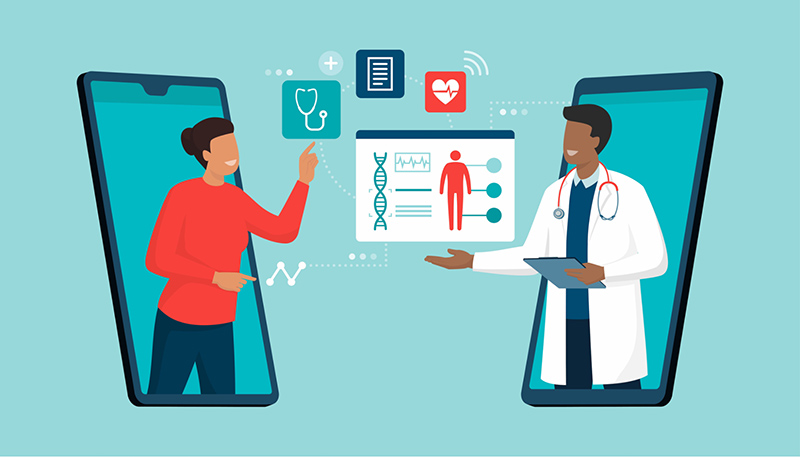
In healthcare, communication is more than just exchanging information—it’s a lifeline for patient safety and successful outcomes. However, when communication breaks down, the effects can be severe and far-reaching. This section will outline the significant impacts of poor communication both among healthcare professionals and between these professionals and their patients.
Communication among healthcare professionals is the backbone of efficient and safe patient care. That’s why miscommunication, whether due to unclear instructions or delayed updates can lead to costly mistakes and compromised patient safety, which would be discussed below:
Poor communication is a leading cause of medical errors, including misdiagnoses, incorrect medication administration, and procedural mistakes. When healthcare workers don’t share important information clearly, it can lead to serious problems that put patients at risk. Research shows that miscommunication plays a big role in medical malpractice cases, with over 7,000 lawsuits linked to communication failures, which result in preventable deaths and high financial costs.
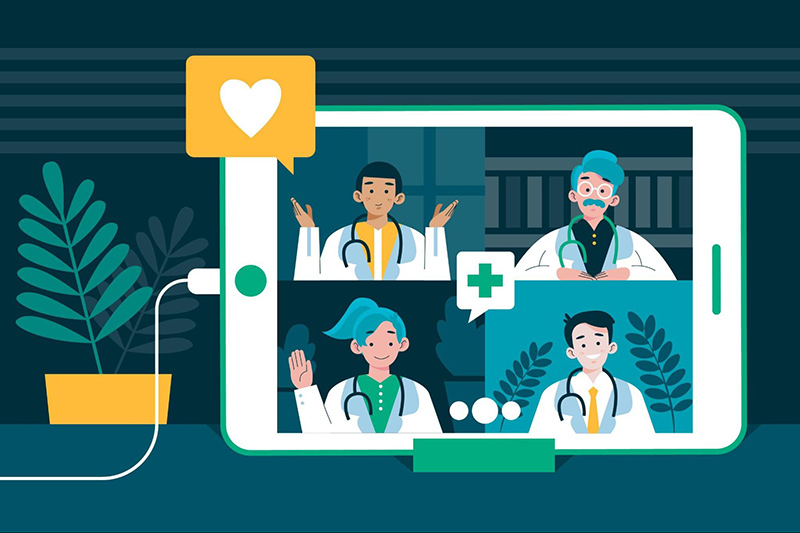
Ineffective communication can cause delays in treatment or the provision of inappropriate interventions. For example, a nurse forgets to inform the doctor about a patient’s worsening symptoms during their shift. As a result, the doctor does not adjust the treatment plan in time, leading to the patient’s condition deteriorating further before receiving the necessary care.
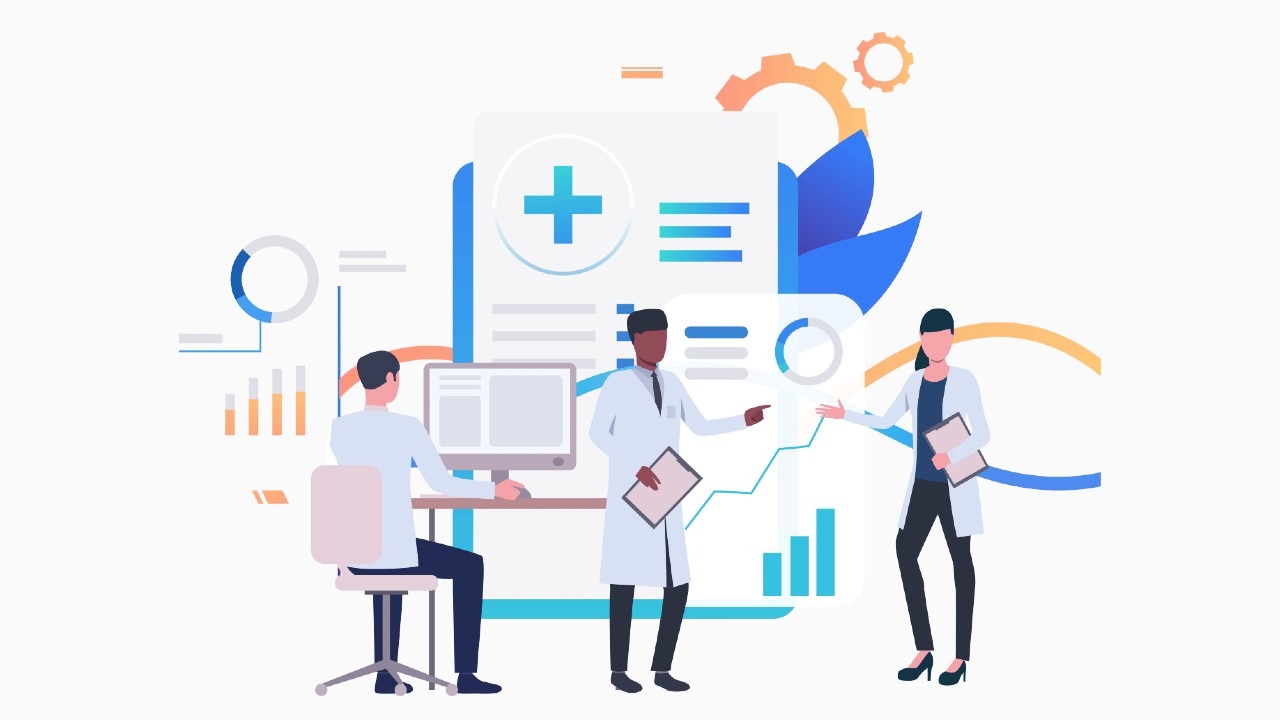
Continuity of care is vital for effective patient management, particularly for those with chronic conditions. Ineffective communication can break this flow, leading to fragmented care where essential information about a patient’s history and treatment plan is lost or misinterpreted. This can result in inconsistent treatment plans and inadequate follow-up care, ultimately affecting patient outcomes.
Poor communication affects not only patients but also healthcare workers. It can cause more stress and burnout, making staff unhappy with their jobs. When miscommunication happens, healthcare workers may feel overwhelmed or unsupported, which lowers morale and can lead to more people leaving their jobs.
Poor communication between professionals and patients is a major problem, which can lead to various detrimental outcomes that affect both patient safety and the overall quality of care.
Did you know that poor communication is involved in over 60% of hospital adverse events? When healthcare professionals fail to communicate with patients clearly, it can cause misunderstandings about treatment plans, medications, or symptoms, leading to wrong decisions and ultimately putting patients at risk.
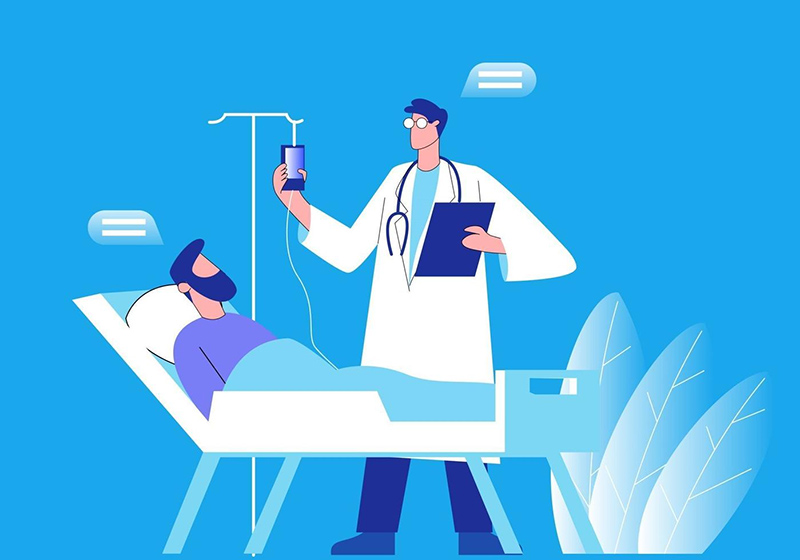
When patients don’t fully understand the importance of their treatment or how to follow instructions correctly, they are less likely to stick to their prescribed plan. For instance, if a doctor fails to explain the side effects of medication or the consequences of not taking it as directed, patients may stop taking it altogether. This can result in worsening health conditions or complications that could have been avoided with clearer communication.
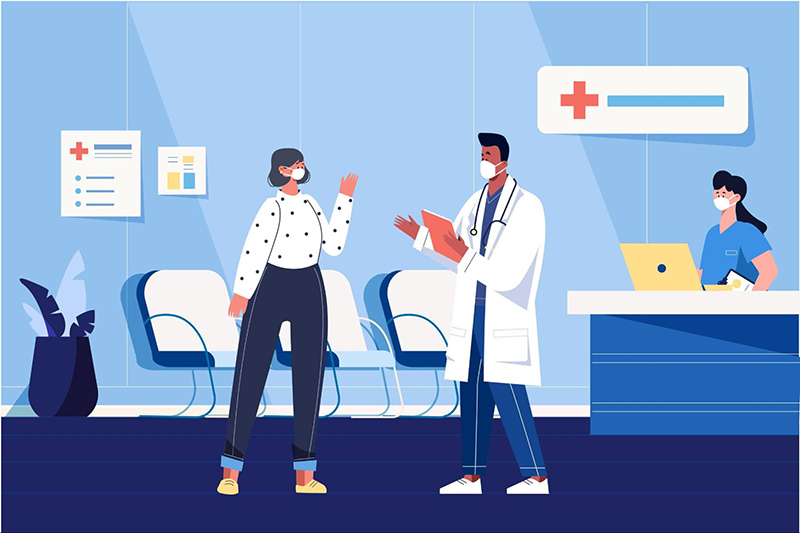
Without clear explanations about diagnoses, treatment options, or procedures, patients may feel uncertain and worried. Moreover, it can cause a sense of helplessness, which can further exacerbate patients’ anxiety.
When patients feel that their concerns are not being heard or their questions are not answered clearly, they may feel ignored or undervalued. This lack of understanding can lead to frustration and a negative healthcare experience. It also may prompt patients to seek second opinions or change providers, which can further disrupt their continuity of care.
The effects of poor communication in hospitals highlight how critical it is to get it right. But why does communication often fail in healthcare settings? To tackle the problem, we must first dig deeper into some common barriers to communication in healthcare.
Systemic factors often stem from organizational and operational challenges that hinder effective information sharing among healthcare professionals. Below are some key systemic issues that contribute to communication breakdowns in healthcare.
Interpersonal factors, such as differences in cultural backgrounds, language, and communication styles can also create misunderstandings and hinder effective care.
Patient-specific factors can significantly affect communication between healthcare providers and patients. These factors are unique to each individual and may impact how they understand or engage in their care.
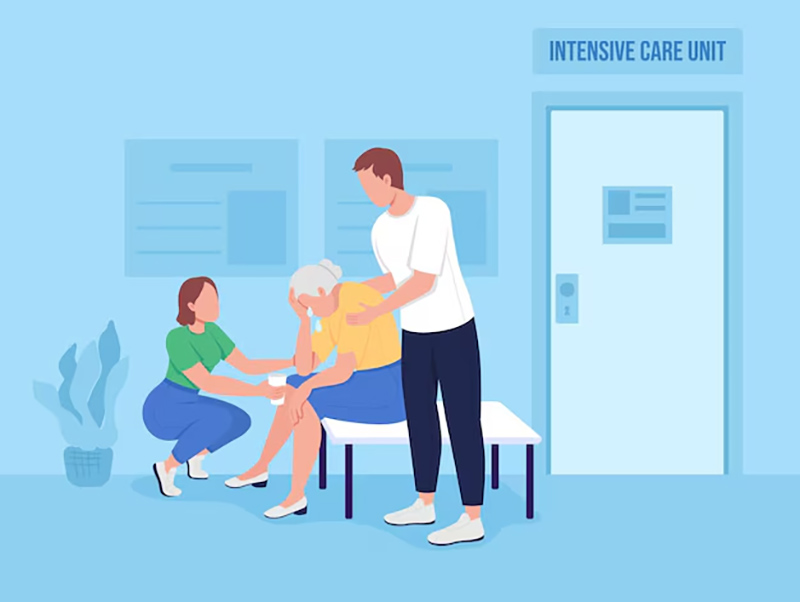
Environmental factors are often outside the control of both patients and providers but can still create barriers to effective communication. Some common environmental issues include:
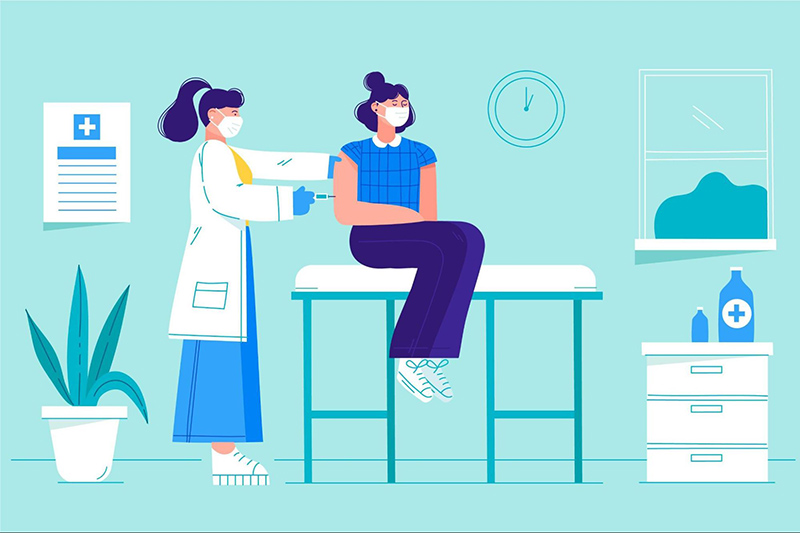
Addressing the root causes of poor communication is key to creating safer and more effective healthcare environments. Here are practical solutions to improve communication and make it more efficient for everyone involved.
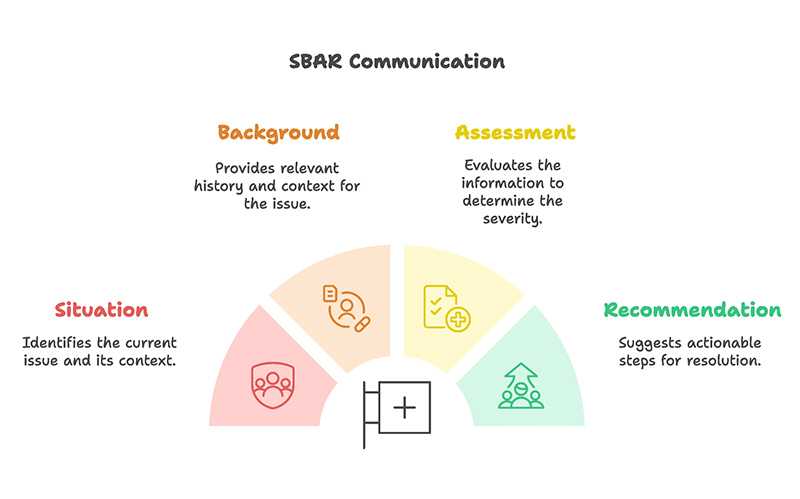
Establishing standardized communication methods, such as the SBAR technique (Situation Background Assessment Recommendation), can make conversations between healthcare providers much clearer and more organized.
For example, during a patient handoff, a nurse might start with the Situation (“The patient has a high fever”), give the Background (“They were admitted for a respiratory infection”), share the Assessment (“The fever isn’t responding to medication”), and end with a Recommendation (“We may need to change the treatment plan”). This method reduces confusion and ensures everyone is on the same page, especially in urgent situations.
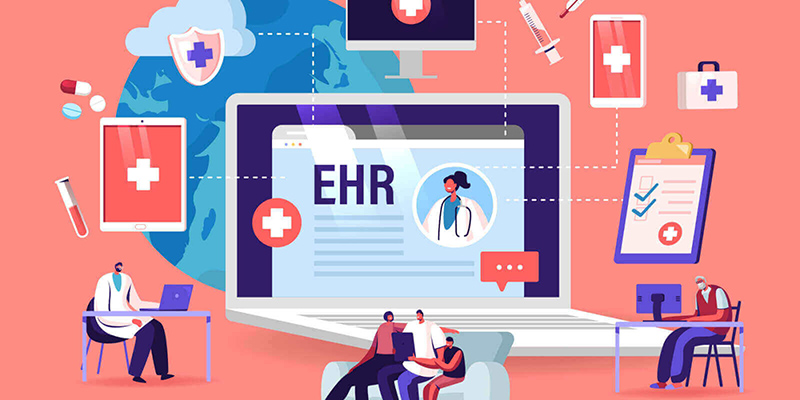
Technology can streamline communication and reduce errors in healthcare. Tools like electronic health records (EHR) enable providers to access and update patient information in real-time, ensuring continuity of care. Additionally, telemedicine expands access to care by enabling remote consultations. This approach facilitates timely communication between providers and patients, particularly in areas where in-person visits may not be feasible.
Training programs focusing on communication skills are essential for better healthcare interactions. Programs can focus on cultural competence to improve understanding of diverse backgrounds, active listening techniques to enhance patient engagement, and digital tools training to optimize technology use in patient care. Comprehensive training ensures that healthcare teams are well-prepared to tackle barriers and communicate effectively.
A positive workplace culture encourages open communication. Regular team meetings, supportive leadership, and recognition for good work can help staff feel valued and heard. For example, implementing a “speak-up” policy is a good idea to allow team members to share concerns without fear of judgment.
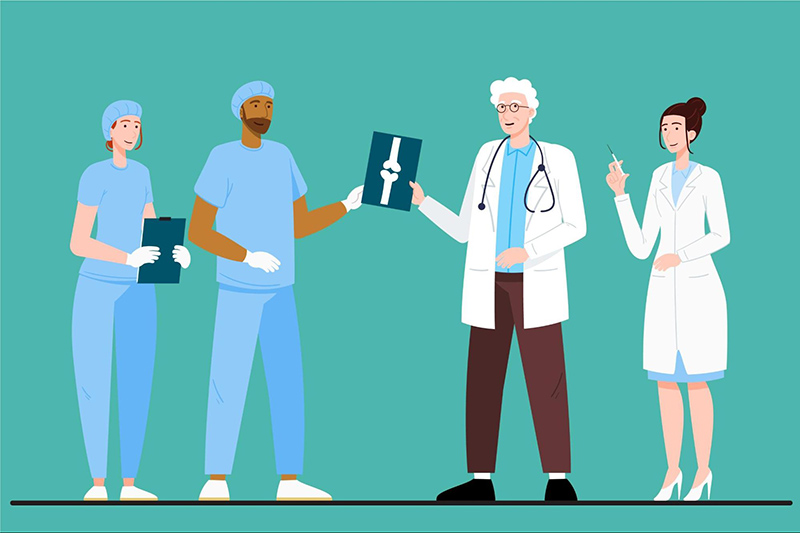
Simplified materials can help patients grasp explanations of conditions or procedures more easily. To make it friendly and approachable to patients, these materials should include visuals like diagrams, infographics, or short animated explainer videos. Among all, animated videos are one of the most powerful tools as they can help viewers retain 95% of a message compared to just 10% when they read text.
Take the video below for example. It uses whiteboard animation to simplify complex medical terms relating to vestibular migraine. This patient education animation not only clarifies the condition but also empowers patients to understand their treatment options better.
Explore how we simplify complex medical concepts
into patient-friendly animations
Check out our portfolio below!
Healthcare providers should prioritize using clear, simple language when communicating with patients. Avoiding medical jargon helps ensure that patients understand their diagnoses, treatment options, and care instructions. For instance, instead of saying, “You have hyperglycemia,” explain it as, “Your blood sugar level is too high, which can make you feel tired or thirsty”.
If you struggle to explain complex medical terminology, using animated videos can benefit both you and your patients. In the video below, F. Learning Studio broke down medical terms like “anticoagulants,” “MI” (myocardial infarction), and “coagulation cascade” by using creative analogies and casual language. These medications are explained using relatable metaphors, accompanied by memory aids to enhance understanding and retention.
Want to simplify yours? F. Learning is willing to help. Contact us to transform complex medical terms into engaging visuals.
F. Learning Studio enhances healthcare communication through video-based solutions that improve both patient education and staff training. For healthcare providers, our engaging training content reduces training time, allowing staff to quickly grasp essential knowledge while ensuring consistent, high-quality training across the board. This not only improves understanding and engagement but also helps standardize care and enhance training efficiency.
When it comes to patient education, our animations break down complex medical information into easily digestible formats, empowering patients to take control of their healthcare. With clear visual explanations of conditions, treatment plans, and medications, patients can better understand their diagnoses, minimizing lengthy consultations.
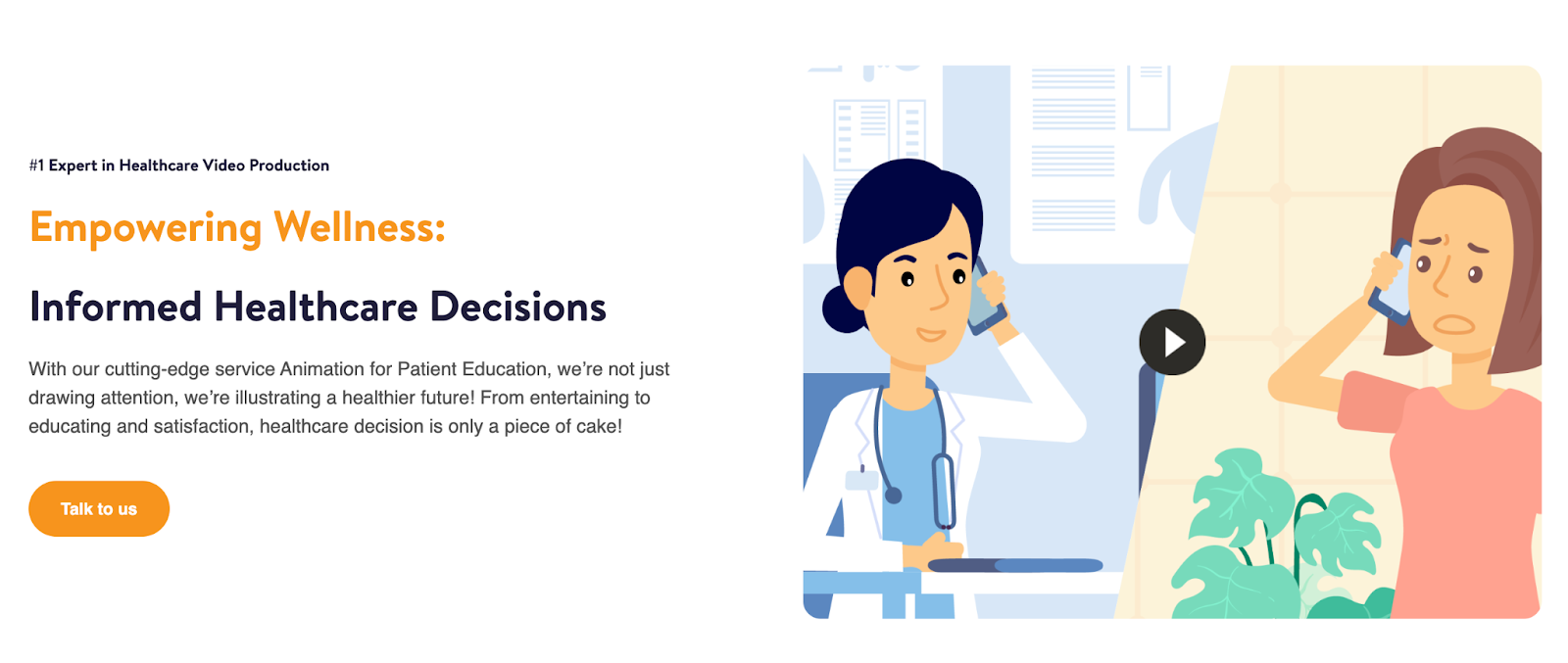
A great example of the impact of animation in healthcare communication can be seen in iCareBetter’s use of whiteboard explainer videos. iCareBetter identified that patients often struggle to understand complex medical information and turn to the internet, where they encounter confusing content.
To address this, they developed an app featuring whiteboard explainer videos that simplify medical knowledge through storytelling and visuals. This approach was proven to help improve patient comprehension, retention of medical advice, and confidence in managing their health.
Poor communication in healthcare often leads to misunderstandings, confusion, and decreased patient outcomes. At F. Learning Studio, we address this issue by offering high-quality, cost-effective animation solutions. Our affordable solutions help healthcare providers communicate clearly without exceeding budgets while reducing the need for repeated explanations and enhancing overall patient care.

Clear Communication Saves Lives
Let F. Learning Studio help you achieve it with
affordable animations.
With over 8 years of experience in the healthcare industry, F. Learning Studio has built a strong track record of delivering high-quality animations. On average, we produce 80 minutes of animation content per month, all while adhering to strict timelines. Trusted by leading healthcare organizations such as Intelycare, Boehringer Ingelheim, and Simple Nursing, we ensure our clients receive reliable, impactful content that improves communication and education within the healthcare field.
Poor communication in healthcare can have severe consequences, from misdiagnoses to missed treatments. Such breakdowns often occur due to unclear messaging, rushed interactions, or medical jargon, all of which compromise patient care.
F. Learning Studio offers innovative animated videos designed to bridge communication gaps. Let us help you improve patient education and ensure clearer, more effective communication in your healthcare organization. Book a FREE consultation to discuss more.

F. Learning Studio's Author
Sean Bui, the founder and creative director of F.Learning Studio, is a respected leader in the e-learning and multimedia production industry. With over 10 years of experience, he has dedicated his career to helping organizations create engaging and impactful learning experiences. Under his leadership, F.Learning Studio has grown into a trusted partner for organizations in the education, healthcare, and corporate training sectors, producing over 2,000 minutes of educational animation.
Whether you’re training a team or explaining a message — we’ll help you do it clearly.
Clarity changes everything
Whether you’re training a team or explaining a message — we’ll help you do it clearly.